Microwave Burning Smell While Running? Causes & Quick Fixes
Is Your Microwave Producing A Burning Or Plastic Smell While Running? Learn Common Causes, Safety Warnings, And Quick Fixes Before Serious Damage Occurs.
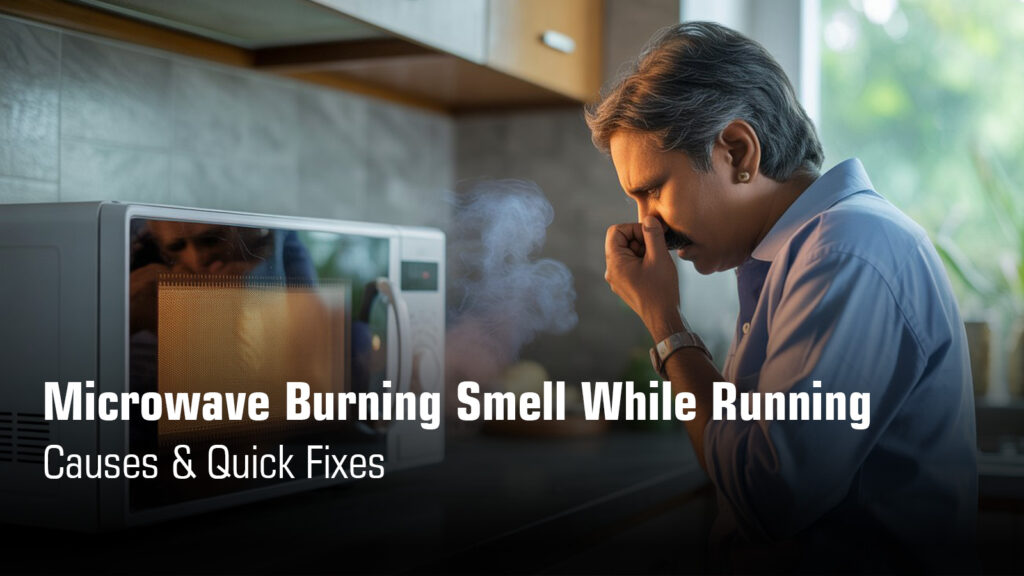
That burning smell coming from your microwave? It’s alarming, but let’s be honest, it doesn’t always mean your kitchen is about to go up in flames. Sometimes it’s just burnt leftovers. Other times, it’s a melted wire or failing part that needs immediate attention.
Here’s the thing: not every burning odor is the same. A faint smell might just need a good cleaning, but a strong burnt plastic or electrical odor could signal something serious.
This guide will help you figure out what’s going on fast. You’ll learn how to do safe DIY checks, when it’s fine to handle it yourself, and the exact moment you need to unplug and call a technician.
Quick Checklist To Fix Microwave Burning Smell While Running
| Smell Type | Most Likely Cause | Safe User Action |
|---|---|---|
| Burnt food smell | Old food residue and splatter stuck on cavity walls, ceiling, or waveguide cover that keeps reheating with every use. | Steam clean with a vinegar-water solution, wipe down the interior thoroughly, and leave baking soda inside overnight to absorb lingering odours. |
| Plastic smell | A melted or overheated high-voltage wire terminal or connector near the magnetron or relay connection inside the unit. | Stop using the microwave immediately and call a qualified technician to inspect and replace the damaged wiring. |
| Electrical / burning smell | A failing magnetron, damaged high-voltage diode, or faulty transformer that is overheating during operation. | Unplug the microwave right away and do not use it again until a licensed technician has inspected and replaced the faulty components. |
| Oily / burning odour | The cooling fan is jammed, has a worn bearing, or is clogged with dust, causing the magnetron and transformer to overheat. | Check ventilation around the unit, clean or replace clogged grease and charcoal filters, and call a technician if the fan still does not spin properly. |
| Fishy / stale burn smell | Old grease buildup trapped inside the sealed cavity that gets “rebaked” every time the microwave runs. | Steam clean with lemon water or vinegar, wipe with a clean cloth, and always cover food during cooking to prevent future buildup. |
Trusted Microwave Oven Repair at Home
Serving Kolkata & Nearby Areas
₹0 Advance Charges
Is It Dangerous to Use a Microwave That Smells Burnt?
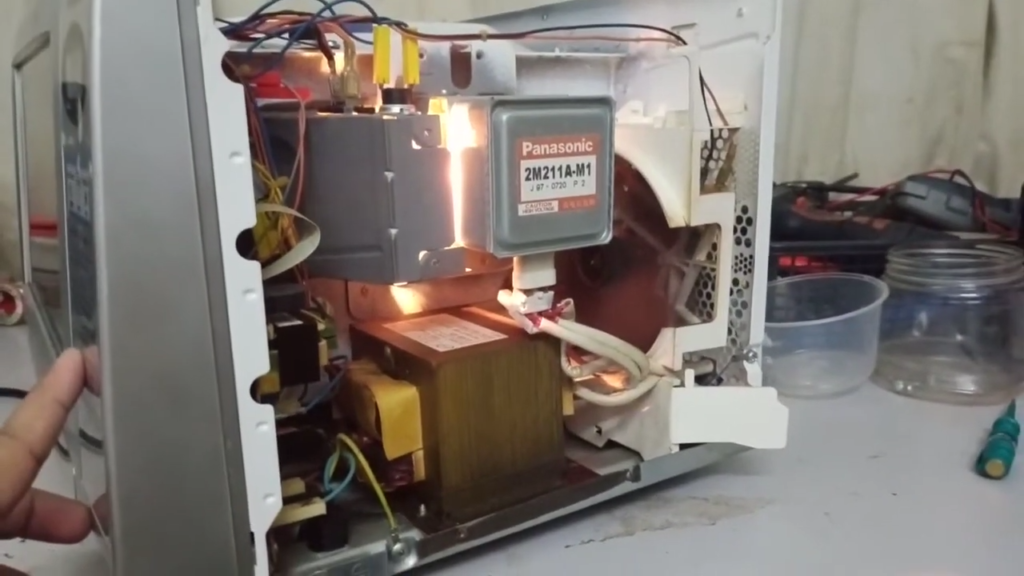
It depends on where the smell is coming from. A faint odor from old food residue reheating is usually harmless. But a sharp electrical or burnt plastic smell? That’s a different story.
Normal odor: Leftover food particles or grease stuck inside the cavity will keep releasing a burnt smell each time you run the microwave. Not dangerous, just unpleasant.
Electrical burning smell: This signals overheating components, melted wiring, or failing parts like the magnetron. It’s unsafe and shouldn’t be ignored.
Safety warnings you need to know:
What’s at risk:
Electrical shock: High-voltage components can store lethal voltage even when unplugged. DIY repairs are extremely dangerous.
Common Causes of Burning Smell While Microwave Is Running
Burnt Food Residue Inside the Cavity (Most Common)
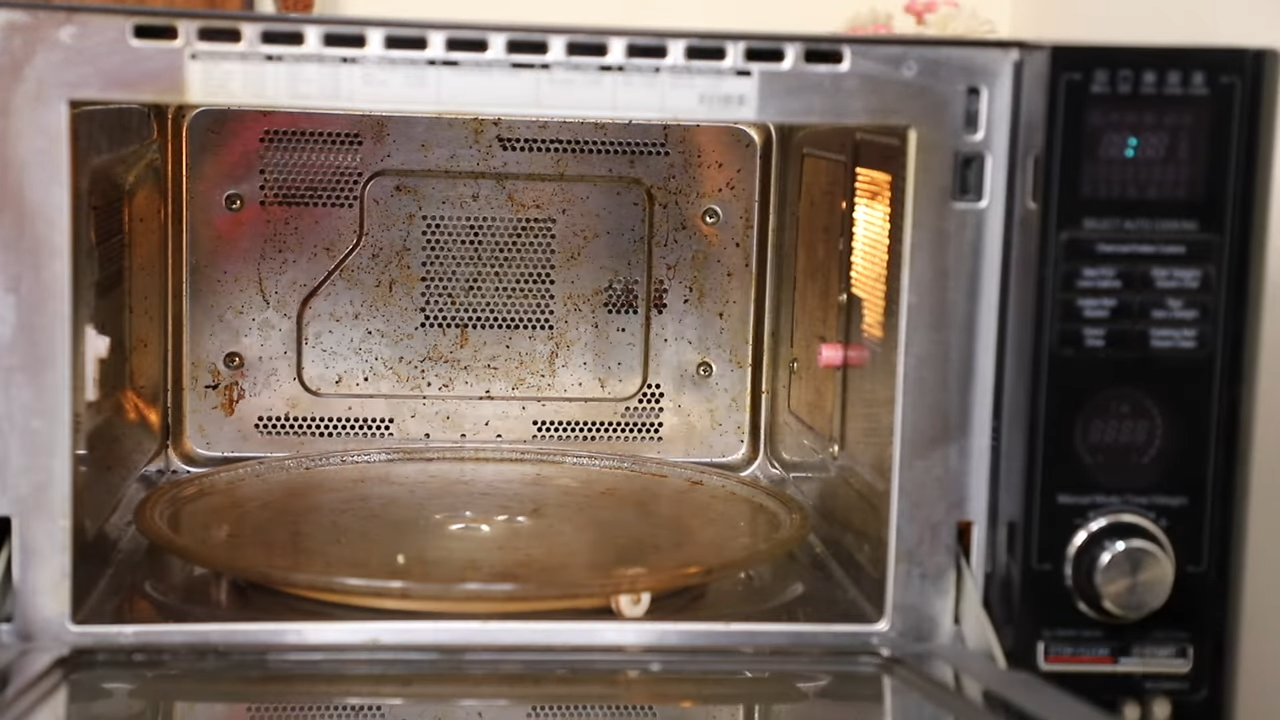
This is usually the culprit. Old food splatter on the ceiling, side walls, and waveguide cover gets reheated every time you run the microwave. The smell intensifies with each use because the residue keeps burning.
Fix:
Steam clean using 1 cup water + 3 tablespoons vinegar. Heat for 6 minutes, let sit for 15 minutes, then wipe the cavity, turntable, and ceiling thoroughly with a damp cloth.
Still not working? Get trusted same-day microwave oven repair in Kolkata with Concord Services and restore safe functionality fast.
Melted or Overheated Internal Wiring (High Risk)
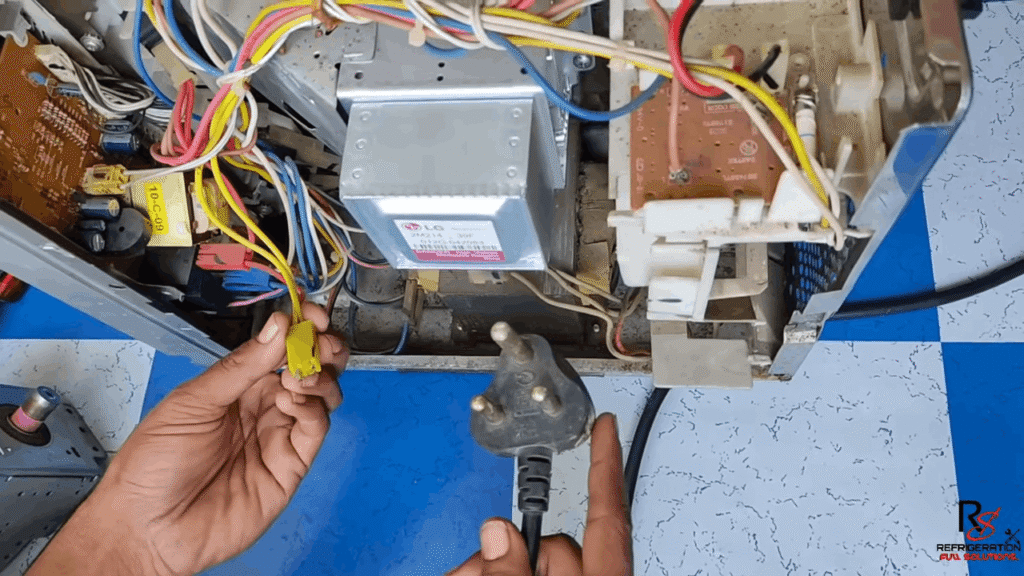
If you smell burnt plastic or chemicals, it’s likely melted insulation near the magnetron or relay. Loose or overheated wire terminals cause this. It’s a fire hazard.
Important:
Internal repairs involve high voltage. This is not DIY-safe.
Action:
Stop using the microwave immediately and call a technician. Don’t risk it.
Failing Magnetron or High-Voltage Components
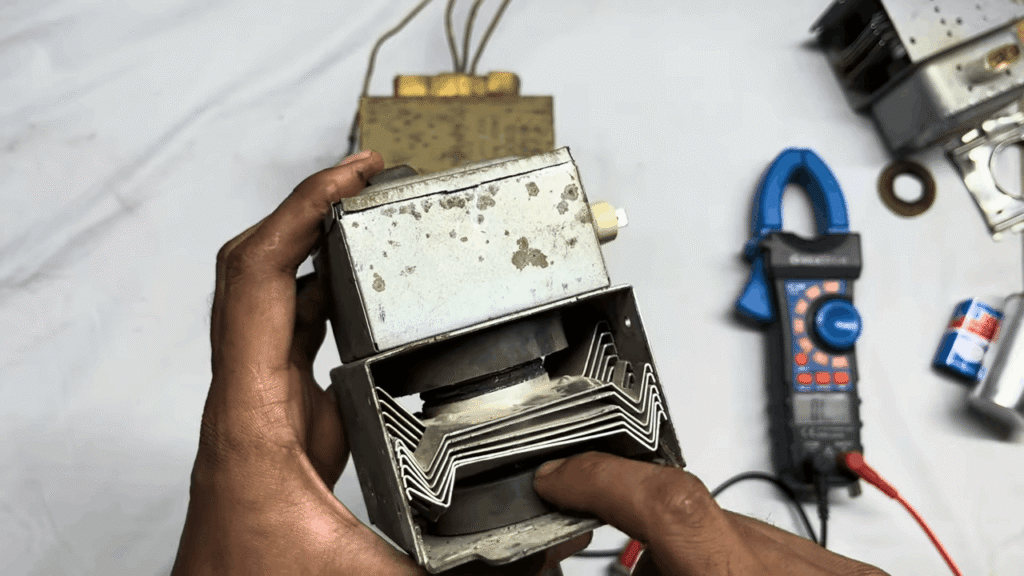
A burning smell combined with loud humming, weak heating, or the unit stopping mid-cycle points to magnetron failure. The magnetron antenna can overheat and burn down over time, especially in Sharp and other models.
Action:
Do not operate further. Magnetron replacement is usually required and must be done by a professional due to lethal high voltages.
Cooling Fan Not Working or Airflow Blocked
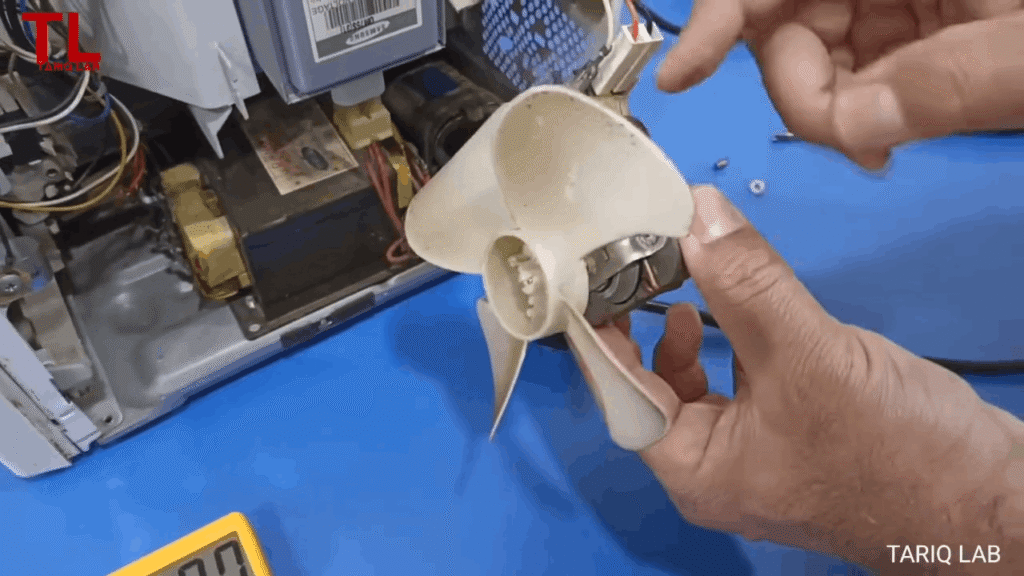
When the cooling fan fails or vents are blocked, the microwave overheats internally. You’ll notice a burning smell without visible smoke, and the outer body feels very hot.
Checks:
Are vent openings blocked? Is there excess grease in the exhaust filters?
Related issue:
Ignoring this can permanently damage the magnetron.
Waveguide Cover Burnt or Greasy
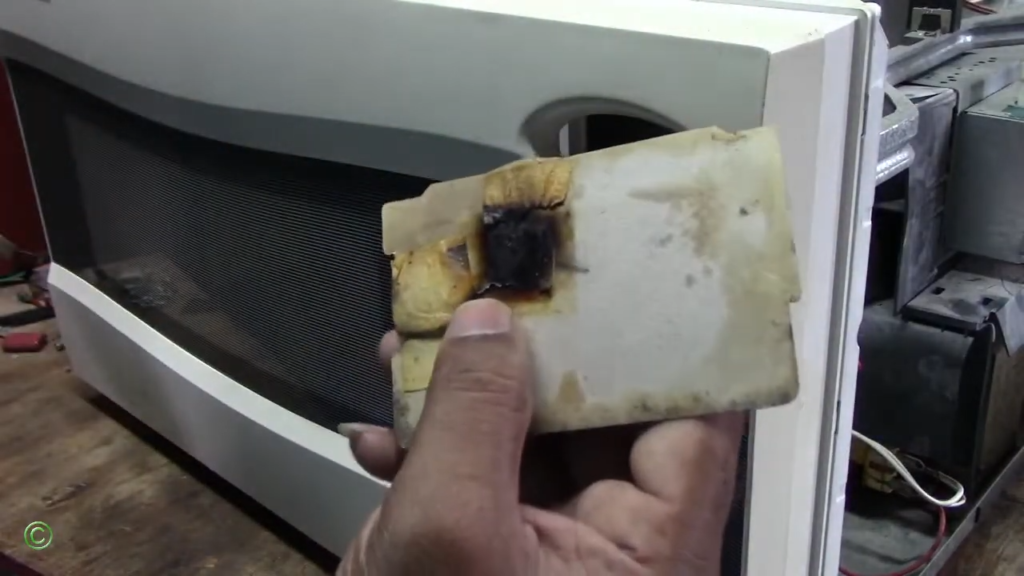
The mica waveguide cover protects the magnetron opening. When it’s discolored, cracked, or oily, it causes burning smells and sparking. Food splashes and grease burn into carbon, which conducts electricity.
Fix:
Light grease? Clean it. Burnt or cracked? Replace the cover entirely.
Control Board or Electrical Component Overheating
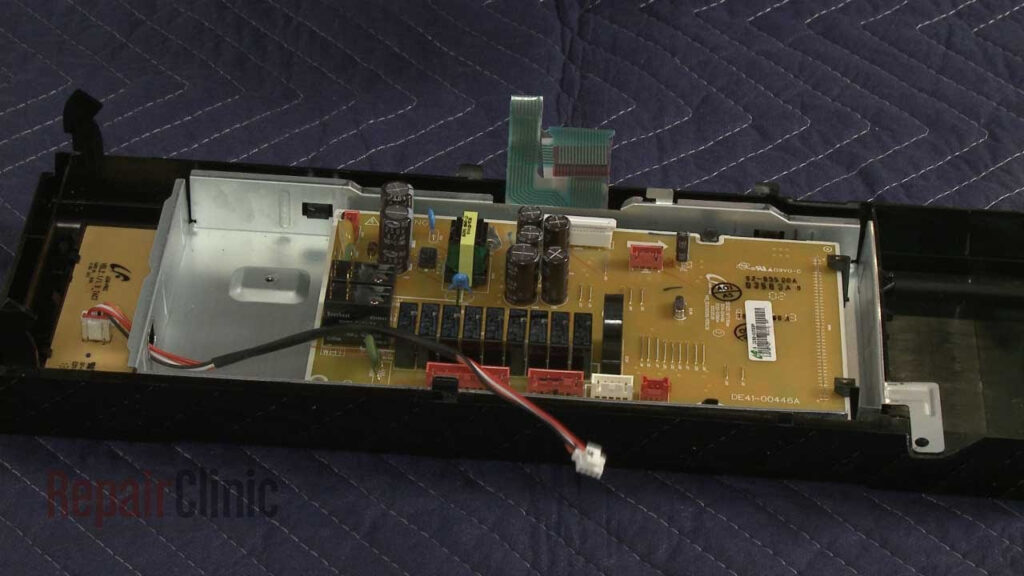
Rare but serious. If the smell comes with clicking sounds, erratic behavior, or the unit not turning off properly, it’s likely the control board or another electrical component overheating.
Action:
Professional diagnosis only. Don’t attempt DIY fixes.
Suggested Article: Microwave Not Turning On – Causes & Fixes
What You Should NOT Attempt
Opening the microwave cabinet:
Never remove the outer casing yourself. The high-voltage capacitor inside can retain a lethal charge for months, even when the microwave is unplugged, posing a serious risk of electric shock or death.
Touching high-voltage parts:
Components like the transformer, capacitor, diode, and magnetron carry dangerous voltage that can cause serious injury. Even unplugged, these parts can store enough charge to kill.
Replacing magnetron or internal wiring:
Magnetron and wiring replacement involves working with high-voltage circuits that require professional training and specialized discharge equipment. Attempting this yourself can result in electric shock, fire, or further damage to the microwave.
Running repeated test cycles “to check smell”:
If your microwave has a burning smell, running it repeatedly to “see if it gets worse” increases fire risk and can cause further internal damage. Stop use immediately and investigate the cause safely.
How to Prevent Microwave Burning Smell Issues?
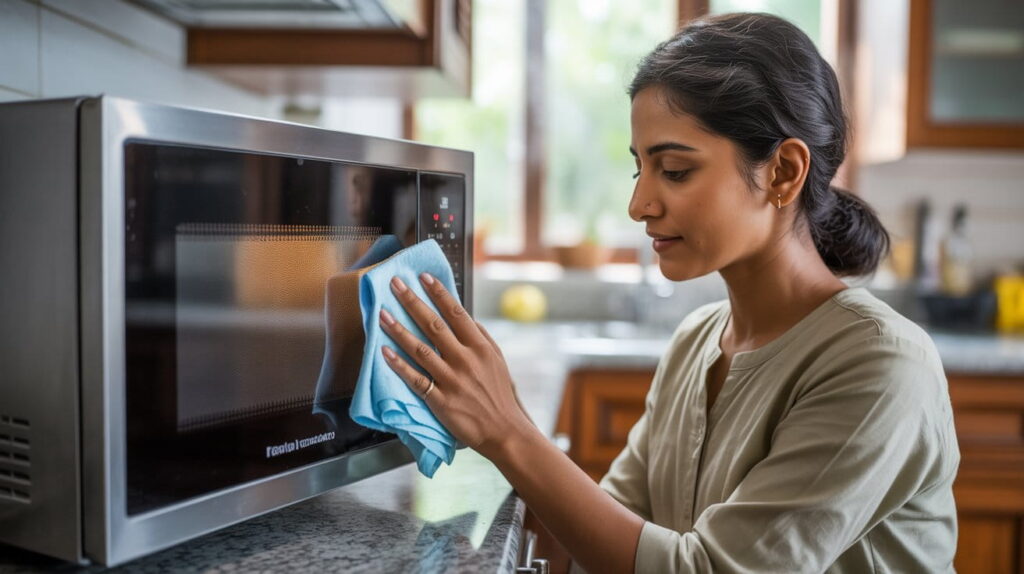
Clean spills immediately:
Wipe up any food splatters right after they happen. If you let them sit, they’ll carbonize and keep releasing burnt smells every time you use the microwave.
Use microwave covers:
Always cover your food with microwave-safe lids, plastic wrap, or parchment paper. This prevents splatter from reaching the walls, ceiling, and waveguide cover in the first place.
Suggested Article: How to Safely Use Microwave Oven At Your Home?
Do not overcook food:
Follow correct cooking times and avoid overheating. Overcooking not only burns your food but also creates excess steam and residue that sticks to interior surfaces and causes persistent odors.
Ensure proper ventilation:
Keep ventilation openings clear and clean exhaust filters regularly. Blocked vents trap heat inside, causing internal components to overheat and produce burning smells.
Periodic deep cleaning schedule:
Steam clean your microwave at least once a week using water and vinegar, then wipe thoroughly. Regular cleaning prevents buildup that leads to stubborn burnt odors and keeps your microwave running smoothly longer.
Final Thoughts
Not all burning smells mean disaster. Food residue? Clean it out. But if you smell burnt plastic or electrical odors, stop using your microwave immediately.
Quick cleaning can solve minor issues. Internal faults need a professional. When in doubt, safety comes first. Your microwave can wait, but electrical hazards can’t.