Geyser MCB Trip Problem – Full Troubleshooting Guide [Checklist]
Geyser keeps tripping the MCB? ✓ Know top causes, ✓ quick checklist, and ✓ safe repair solutions to stop frequent power trips. Simple guide for every home.

When Your Geyser Trips the MCB Every Time?
You’ve just turned on the geyser, looking forward to a warm shower, and suddenly, click. Everything goes dark. The MCB trips. Again.
Let’s be honest, few things are more frustrating than a geyser that won’t cooperate. But here’s the thing: you’re not alone. This is one of the most common complaints technicians hear, and the good news? It’s usually fixable.
Whether it’s an overloaded circuit, a worn-out heating element, dodgy wiring, or a safety device doing its job, we’ll help you understand what’s going wrong. More importantly, we’ll show you what you can check yourself and when it’s time to call in the experts.
Step-by-Step Checklist to Fix Geyser MCB Tripping
Not Confident To Repair Your Geyser?
Contact Us For Same Day Doorstep Repair
₹0 Advance Charges
Why Does a Geyser Trip the MCB?
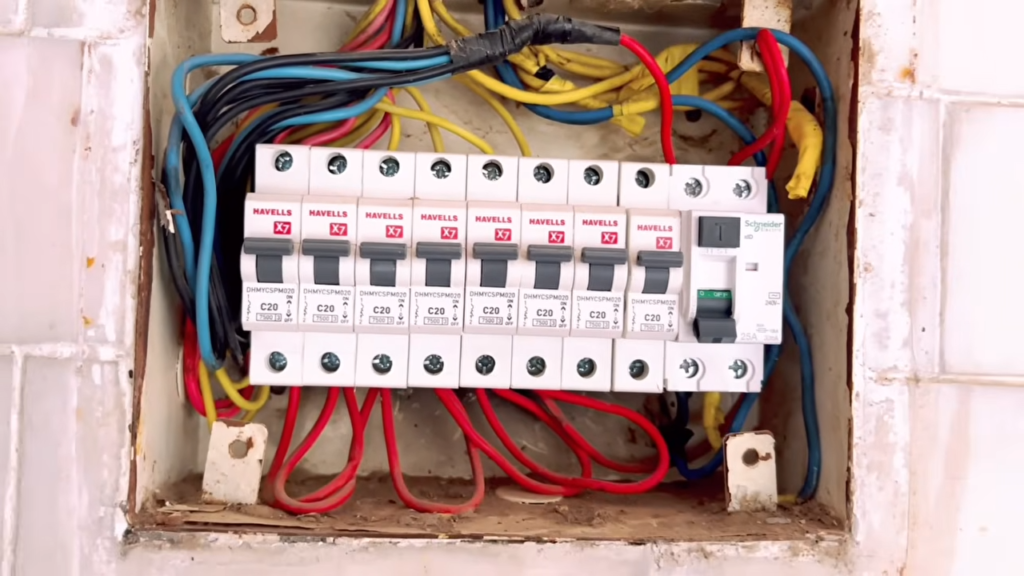
Low-Rated MCB That Can’t Handle Geyser Load
Most geysers consume between 2000W and 3000W, which means they need an MCB rated at least 16A to 32A.
If you’ve installed a 6A MCB, it will trip immediately or within minutes once the water starts heating. The low-rated breaker simply can’t handle the electrical load your geyser demands.
Upgrading to a properly rated MCB solves this nuisance tripping, provided your wiring and geyser components are in good condition.
Faulty or Shorted Heating Element
When the heating element gets damaged, cracked, or develops an earth leakage, it creates a short circuit that trips the MCB the moment you switch on the geyser.
You’ve probably noticed this happens instantly, not after a few minutes. Poor water quality and hard water speed up element corrosion, making this fault more common in areas with high TDS levels or untreated water supply.
Suggested Read: Geyser is Not Heating Water – Common Problems and Solutions
Thermostat Malfunction (Overheating Trip)
A faulty thermostat loses its ability to regulate water temperature properly, causing the geyser to overheat. When this happens, the MCB trips as a safety response to prevent further damage or hazards.
Watch for signs like irregular heating cycles, water getting too hot too quickly, inconsistent automatic cut-off, or the thermostat failing to switch off the power supply even after reaching set temperature.
Loose, Burnt, or Damaged Wiring
Loose connections, burnt plug points, or melted wires around the geyser area frequently trigger short circuits and immediate MCB trips. Common warning signs include:
- Burnt smell near the plug or geyser
- Blackened or discolored plug points
- Unstable or flickering indicator lights
- Visible carbonization on wire connectors
Suggested Read: Geyser Smelly Water Problems & Solutions Guide
Moisture or Water Leakage Near Electrical Parts
Humidity buildup and water seepage around electrical components can cause dangerous earth faults, forcing the MCB to trip.
This is why geyser manuals from brands like Havells and AO Smith specifically warn against installing geysers in areas exposed to direct water splashes or excessive moisture.
Always ensure your geyser is mounted in a well-ventilated spot, away from shower spray zones.
Suggested Read: Geyser Water Leakage – Common Problems and Simple Solutions
Faulty or Weak MCB
Sometimes the problem isn’t your geyser at all. Old or low-quality MCBs wear out over time and become overly sensitive, tripping unnecessarily even when there’s no actual fault.
If your MCB is several years old or you’ve been using a cheap, unbranded breaker, it might be time for a replacement with a quality unit from trusted brands like Schneider.
Shared Circuit Overload
If your geyser shares its electrical circuit with other heavy appliances like washing machines, air conditioners, or kitchen equipment, the combined load can easily exceed the MCB’s capacity.
The breaker trips to protect the circuit from overheating.
Your geyser should ideally have a dedicated circuit to avoid this issue and ensure safe, uninterrupted operation.
Suggested Read: How to Uninstall a Water Heater (Geyser) – Complete Guide
Step-by-Step Diagnosis: What You Can Safely Check at Home

Verify MCB Rating vs Geyser Wattage
Most geysers consume 2000W to 3000W of power. If your MCB is only 6A or 10A, it can’t handle the load and will trip repeatedly.
You need at least a 16A MCB for 2kW geysers and a 32A MCB for 3kW models. Check your geyser’s wattage on the rating label and match it with your MCB rating.
Inspect the Plug, Socket, and Wiring for Visible Damage
Carefully examine the power plug and socket. Look for:
- Burn marks or blackened areas
- Melted plastic around pins
- Loose or wobbly plug connections
These signs mean damaged wiring or poor contact, which can cause short circuits and MCB tripping. Replace faulty plugs immediately.
Check Water Leakage or Moisture Near the Unit
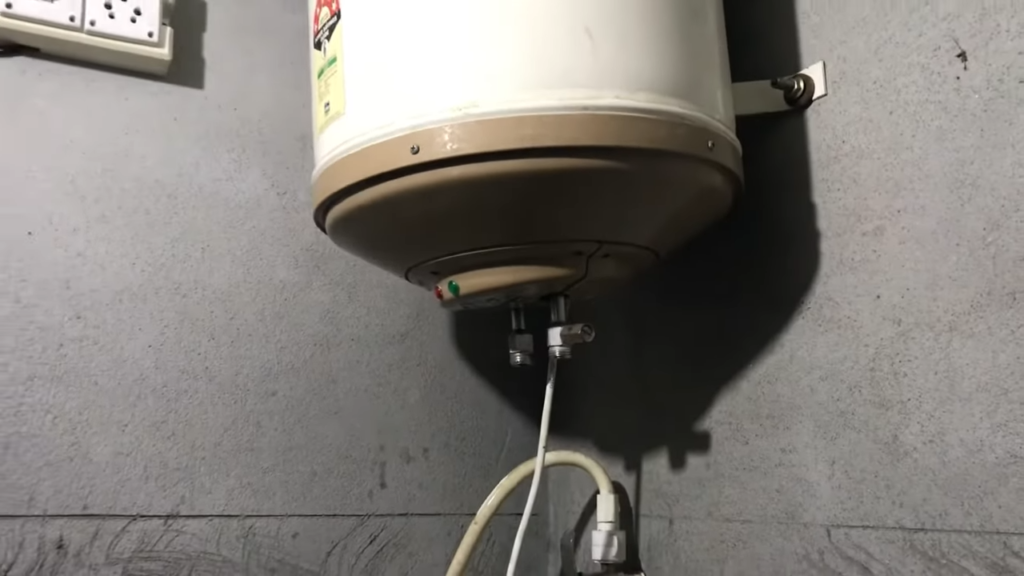
Water and electricity don’t mix. Check around the geyser for:
- Damp spots on walls or ceiling
- Water pooling near pipes
- Moisture on electrical terminals
Moisture causes earth leakage, which is a serious safety hazard. If you see any wetness, switch off power and call a technician right away.
Test If Geyser Trips Without Load Sharing
Turn off all other appliances on the same circuit. Now switch on only the geyser. Does the MCB still trip?
If yes: The problem is inside the geyser (faulty element or wiring).
If no: Your circuit was overloaded. Use a dedicated line for your geyser to prevent future tripping.
Inspect the Plug, Socket, and Wiring for Visible Damage
Switch off the power and carefully examine the plug point and wiring around your geyser. Look for these warning signs:
- Burn marks on the plug or socket
- Melted or discolored plastic around plug pins
- Loose plug pins that don’t fit snugly
- Blackened wire connectors inside the geyser cover
- Burnt smell near electrical connections
Any of these indicate damaged wiring that needs immediate attention before you use the geyser again.
Check Water Leakage or Moisture Near the Unit
Walk around your geyser and look carefully for any signs of water leakage, dampness on walls, or moisture buildup around the unit. Even small amounts of water seeping near electrical parts can cause earth faults and MCB trips.
This is especially dangerous because moisture creates a path for current leakage, which your MCB detects and shuts down for your safety. Remember, geysers should never be installed where water splashes directly.
Test If Geyser Trips Without Load Sharing
Here’s a simple test: switch off all other appliances connected to the same circuit as your geyser. That means no washing machine, kitchen appliances, or other heavy equipment running simultaneously. Now turn on just the geyser and observe. If the MCB stops tripping, you’ve identified an overload issue. Your geyser needs its own dedicated circuit to function safely without competing for power with other devices.
Can’t figure it out on your own? That’s okay. Concord Services is here to help with reliable geyser repair in Kolkata, trusted by homeowners across the city for quick, safe fixes that get your geyser working again when it matters most.
What Homeowners Should NOT Do?
- Do not open internal wiring or the heating element yourself.
Opening the geyser body exposes live wires and safety components that are factory-sealed, and manuals clearly warn this can cause electric shock or permanent damage if handled without training. - Do not bypass the MCB, ELCB, or any safety circuit.
These parts are designed to trip and cut power during faults, and bypassing them removes the only protection against shocks, fire, or overheating. - Do not keep using the geyser if it trips repeatedly.
Repeated MCB tripping is a warning sign of electrical leakage, a faulty element, or overload, and continuing to use it can turn a small fault into a serious hazard.
When to Seek Professional Help?
Heating Element Replacement
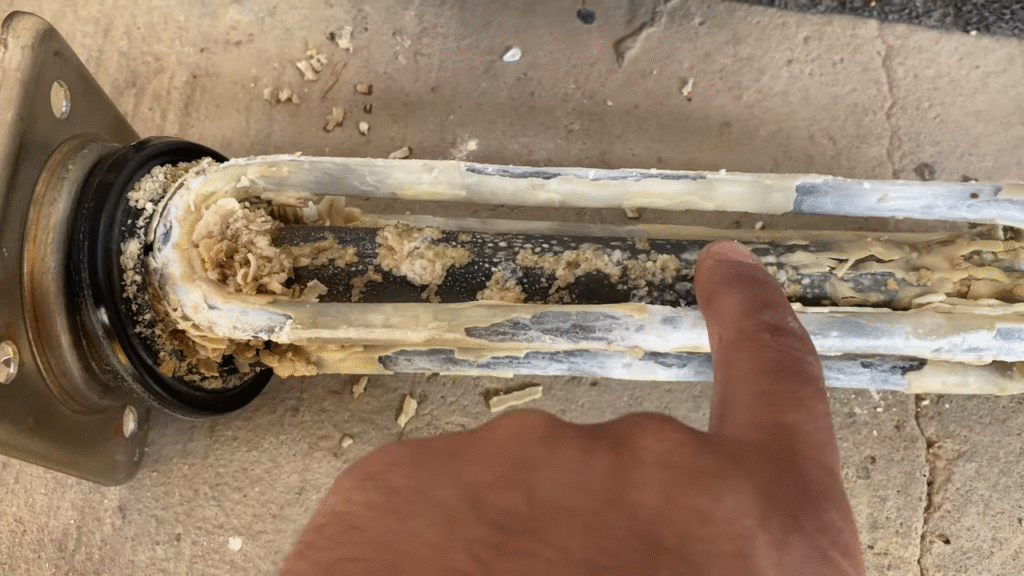
If the heating element is cracked, internally shorted, or has earth leakage, professional replacement is essential. A damaged element draws excess current, which triggers MCB tripping and can cause electric shock. Let’s be honest, this is not a repair to experiment with. Technicians test insulation resistance and replace the element safely, as advised in all major geyser manuals.
Thermostat Calibration or Replacement
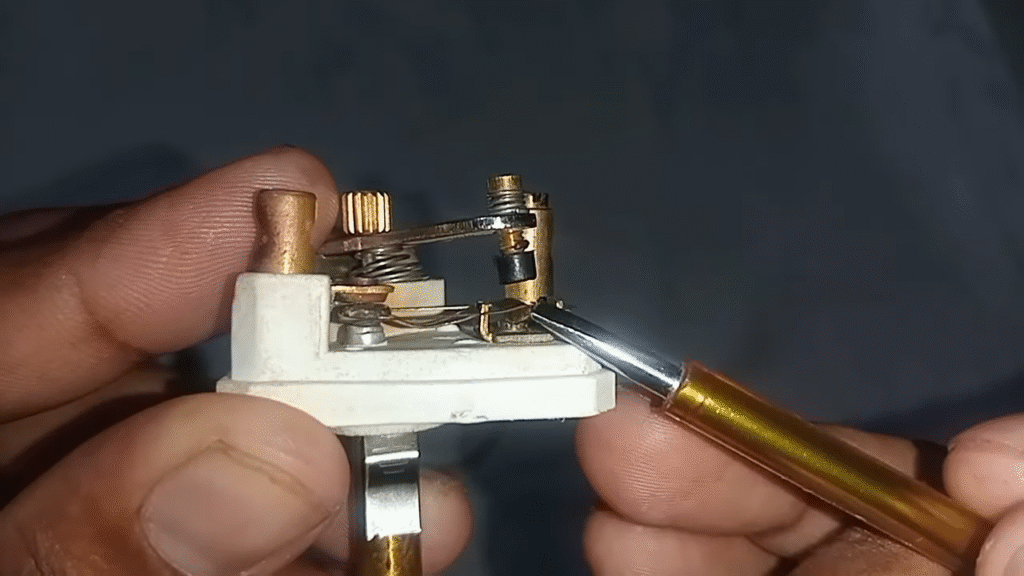
A faulty or miscalibrated thermostat can allow overheating or irregular cut-off, leading to repeated tripping. Sometimes it fails silently until the thermal cut-out intervenes. Professionals check temperature accuracy, cut-in and cut-off points, and replace the thermostat if needed. This restores stable heating and prevents unnecessary stress on the element and electrical circuit.
Wiring Upgrade (Correct Gauge) and Earthing Fix
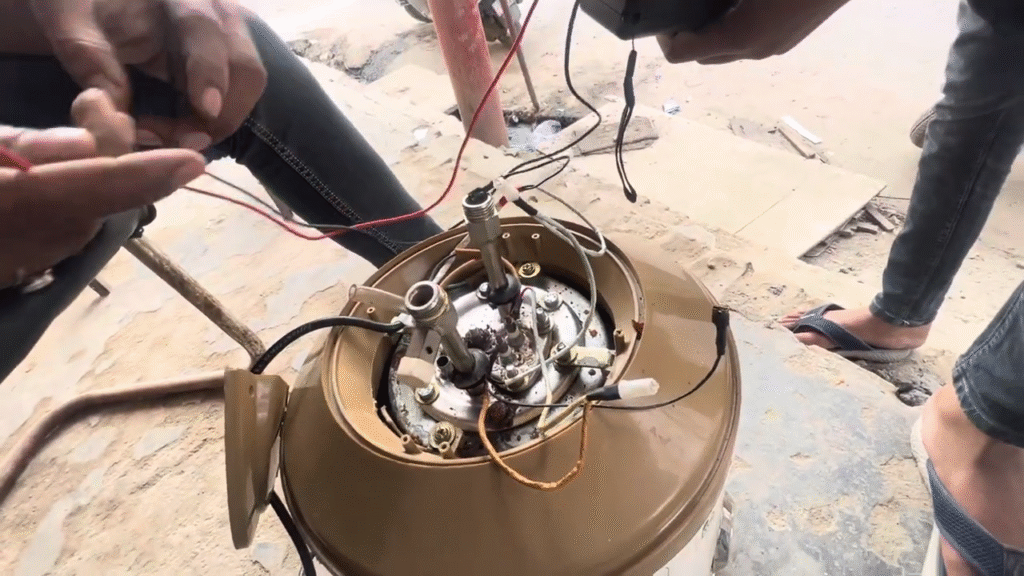
Loose, aged, or undersized wires heat up under geyser load and often cause nuisance tripping. Poor earthing makes the situation worse by increasing shock risk.
A professional electrician upgrades wiring to the correct gauge, tightens connections, and fixes earthing properly. This step is critical and clearly recommended in installation and safety sections of geyser manuals.
Replacing Weak or Wrong MCB Type
If the MCB rating is too low or the breaker has weakened over time, it will trip even when the geyser is healthy. For 2–3 kW geysers, the correct MCB type and amp rating must match the load. A professional evaluates the circuit and installs the right MCB, ensuring safe and uninterrupted operation.
Safety Tips to Prevent MCB Tripping in the Future
- Install the geyser on a dedicated circuit with proper earthing.
Geyser manuals clearly state that a separate power line with correct earthing prevents overload and reduces the risk of leakage current that causes MCB tripping. - Avoid using low-quality extensions or adapters.
Extensions and loose adapters cannot handle high geyser load and often overheat, leading to frequent tripping or even melted plugs over time. - Keep the geyser away from wet areas and water splashes.
Brands like Havells and AO Smith warn that moisture near electrical terminals can cause short circuits and earth faults, especially in bathrooms.
Get the geyser serviced annually to check element, wiring, and scale deposits.
Regular servicing helps detect early element leakage, loose wiring, or heavy scaling before they start triggering the MCB repeatedly.
Is It Dangerous If a Geyser Trips the MCB?
MCB tripping itself is a safety action, not a fault. But if it keeps happening, it’s a clear warning that the geyser needs professional inspection before the issue turns dangerous.
- Overload: When the geyser draws more current than the circuit can handle, the MCB trips to prevent overheating of wires and possible fire hazards.
- Short circuit: Damaged wiring or a faulty heating element can create a direct short, and the MCB cuts power instantly to avoid sparks, burning, or electrical damage.
- Earth leakage: If current leaks to the geyser body due to insulation failure or poor earthing, the MCB trips to reduce the risk of electric shock during use.
- Component failure: A failing thermostat, weakened element, or burnt wiring can cause irregular current flow, triggering the MCB as a protective response.
A geyser tripping the MCB is a safety warning, not something to ignore. In many cases, the fix is simple, like correcting the MCB rating or reducing load. If the problem continues, professional inspection is the safest way to protect your home and family.