Different Parts of Microwave Ovens and How They Work (Simple Guide for Homeowners)
Discover how microwave parts like magnetron, diode, and transformer work together to heat your food. Includes common failure signs and safety warnings.
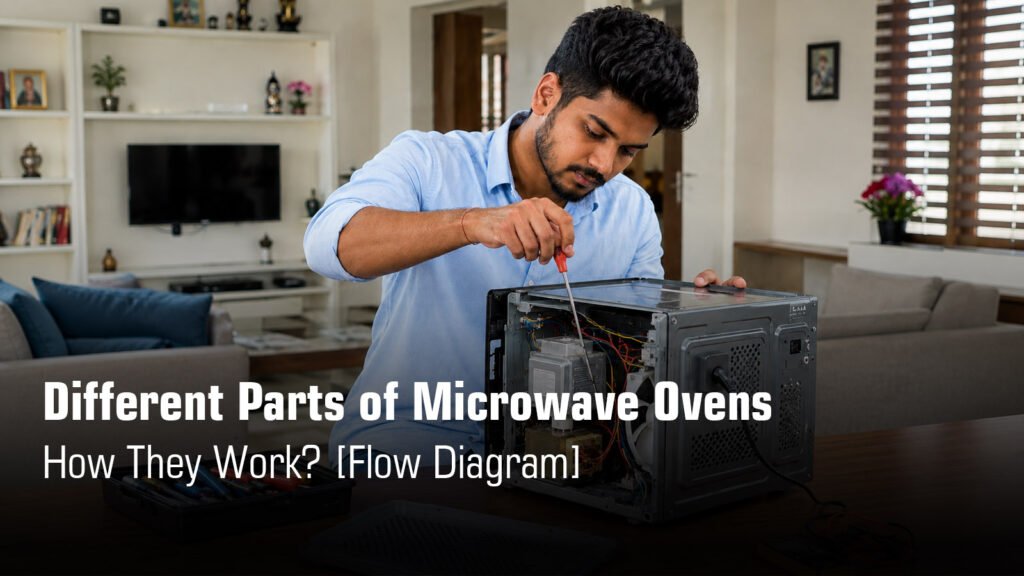
Your microwave stopped heating, but the light still works. Or maybe it’s sparking and you’re wondering what’s gone wrong inside.
Here’s the thing: most microwave failures come down to just one or two components giving up. You don’t need to be a technician to understand what’s happening. Knowing the basic parts and their jobs helps you spot problems early, avoid costly mistakes, and decide when to call a professional.
This guide breaks down the key components of your microwave and explains how each one works in plain, simple language.
Quick Component Reference Table
Here’s a fast overview of what each microwave part does and the warning signs you’ll notice when it starts to fail.
| Part | Function | Common Symptoms |
|---|---|---|
| Magnetron | Generates the microwave energy that heats your food. | Runs but food stays completely cold. Unusual humming or buzzing. |
| Transformer | Steps up household voltage to the high levels needed for the magnetron. | Loud buzzing, burning smell, or microwave won’t heat at all. |
| Capacitor | Stores and amplifies electrical energy before sending it to the magnetron. | No heating, sometimes with a loud pop or tripped breaker. |
| Diode | Converts AC power to DC power so the magnetron can function correctly. | Weak or no heating, often accompanied by a humming sound. |
| Waveguide | Channels microwave energy from the magnetron into the cooking cavity. | Visible sparking or arcing inside the cavity during operation. |
| Mica Sheet | Covers and protects the waveguide opening from food splatters and grease. | Sparking, burning smell, or visible burn marks on the cover. |
| Turntable Motor | Rotates the glass tray to ensure even cooking across all food. | Glass plate doesn’t spin or makes grinding noises while running. |
| Cooling Fan | Circulates air to keep internal components from overheating. | Loud noise, outer body gets unusually hot, or frequent shutdowns. |
| Door Switch | Prevents microwave operation unless the door is properly closed. | Microwave won’t start, stops after a few seconds, or runs with door open. |
| Touchpad | Allows you to set cooking times, power levels, and start the oven. | Some or all buttons don’t respond, or microwave starts on its own. |
| Display | Shows cooking time, power level, and microwave settings. | Blank screen, flickering, or displaying incorrect information. |
| Thermal Fuse | Shuts down power if internal temperatures become dangerously high. | Microwave is completely dead with no lights, display, or response. |
Hire Highly Skilled Microwave Oven Technician –
Upto 30 Days Service Guarantee
₹0 Advance Charges
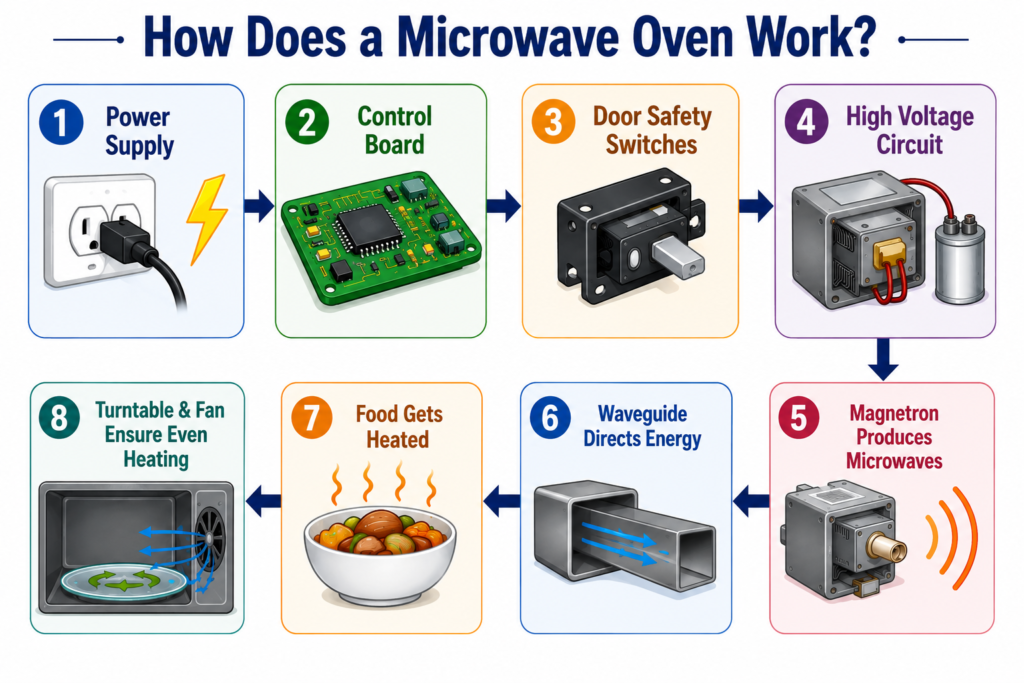
Main Parts of a Microwave Oven Explained
Every microwave contains several important components working together to heat your food safely and efficiently. Understanding these parts helps you identify problems early and know when to call a professional.
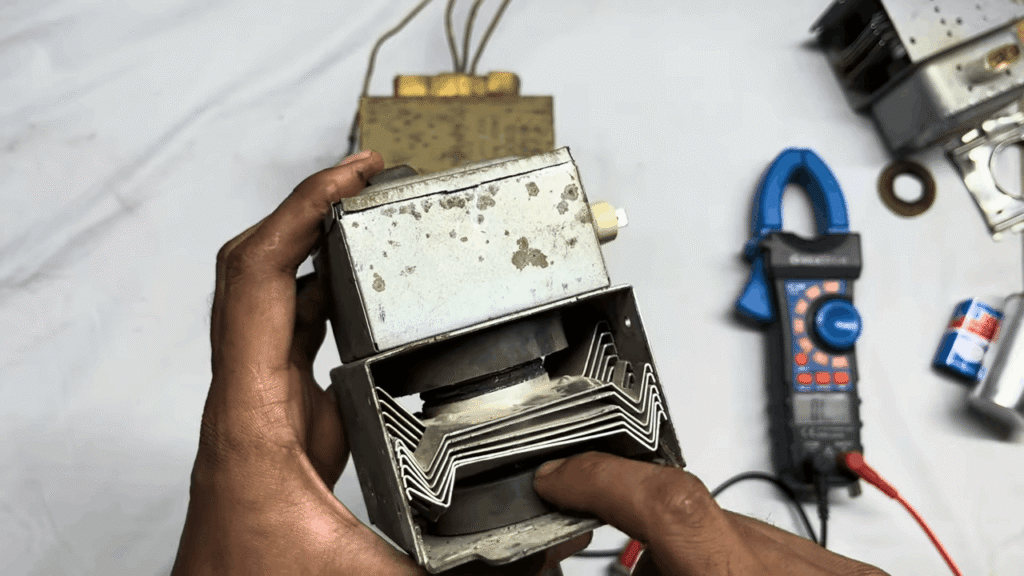
1. Magnetron (The Heart of the Microwave)
What it does:
Produces microwave energy that heats your food.
Signs of failure:
- Food not heating at all
- Heating takes much longer than usual
- Burning smell during operation
- Loud humming noise
Can users replace it?
No. Magnetron replacement requires specialized training and high-voltage safety knowledge. Call a technician.
What Happens If You Keep Using It?
The microwave will eventually stop heating completely. Continued use can damage other components like the transformer or diode, making repairs more expensive.
Suggested Article: Microwave Oven Working but Not Heating
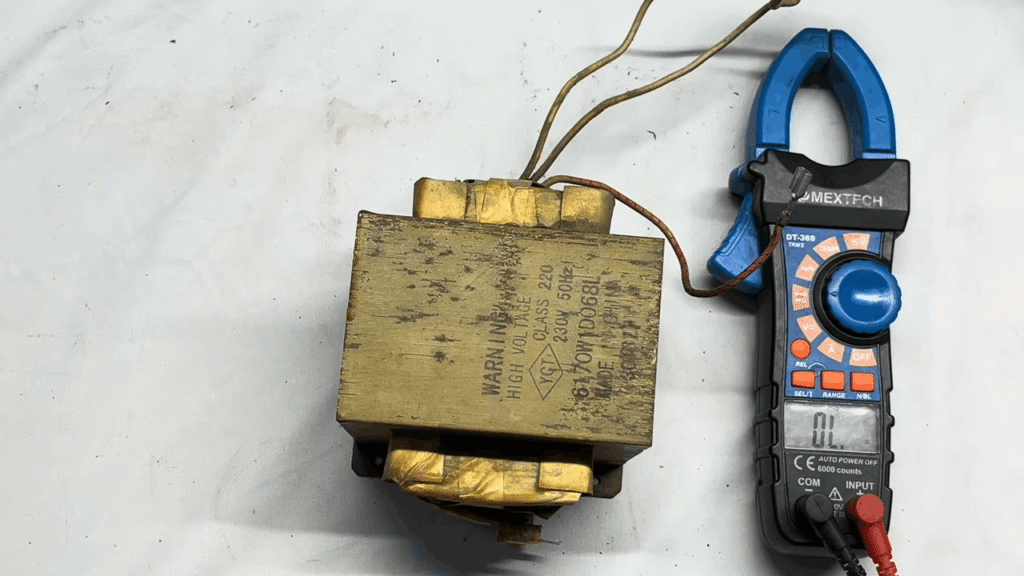
2. High Voltage Transformer
What it does:
Supplies high voltage to the magnetron.
Signs of failure:
- Microwave turns on but doesn’t heat
- Loud buzzing sound during operation
- Burning smell from inside the unit
- Tripped circuit breaker
Can users replace it?
No. This component carries lethal voltage and requires professional service. Never open the outer casing.
What Happens If You Keep Using It?
A failing transformer can arc, overheat, or catch fire. Continued use creates serious fire and electrical shock hazards.
Concord Services provides reliable doorstep microwave oven repair in Kolkata to ensure safe and proper operation again.
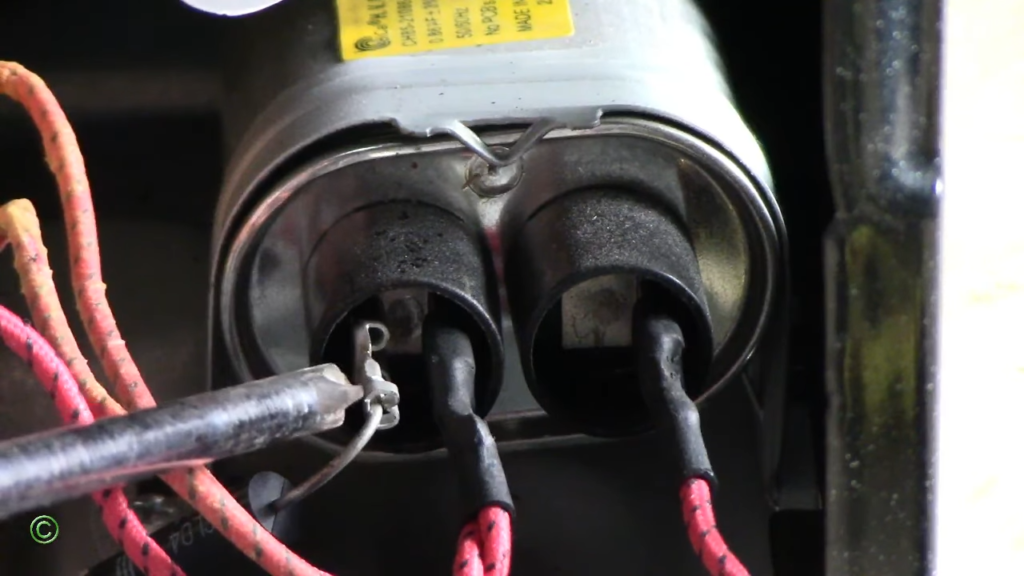
3. High Voltage Capacitor
What it does:
Stores electrical energy needed for heating.
Signs of failure:
- No heating at all
- Microwave suddenly stops mid-cycle
- Strange popping or buzzing noises
Safety Note:
Capacitors can store dangerous electricity even after unplugging. Never attempt to touch or test this component yourself.
What Happens If You Keep Using It?
A failing capacitor can cause the microwave to trip breakers, damage other components, or create a fire hazard.
4. High Voltage Diode
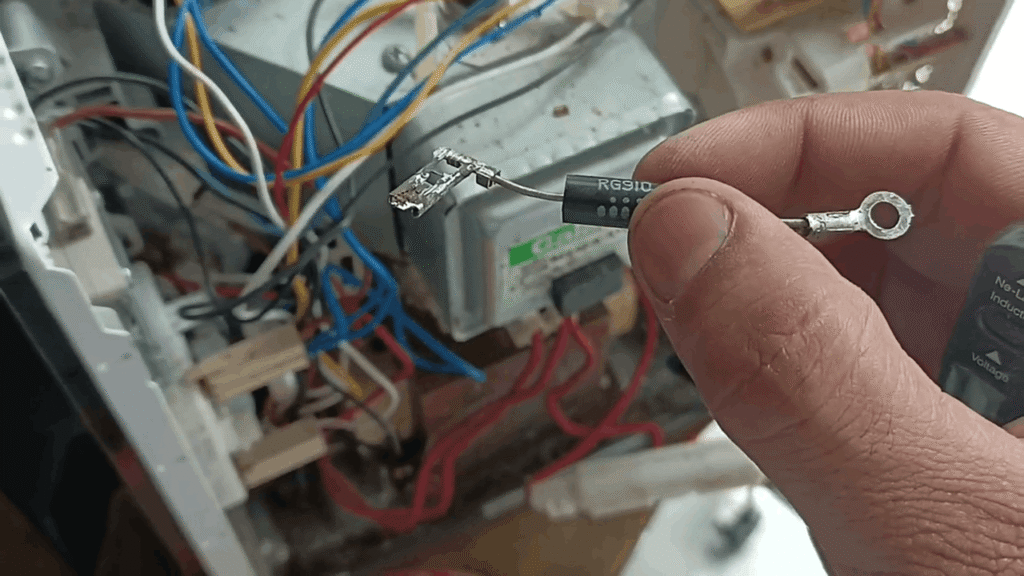
What it does:
Converts electrical current for the magnetron.
Signs of failure:
- Weak heating that barely warms food
- No heating at all
- Humming sound with no heat
Can users replace it?
No. This part is part of the high-voltage circuit and requires professional handling.
What Happens If You Keep Using It?
The microwave will stop heating completely. The diode can short circuit and damage the transformer or other components.
5. Waveguide
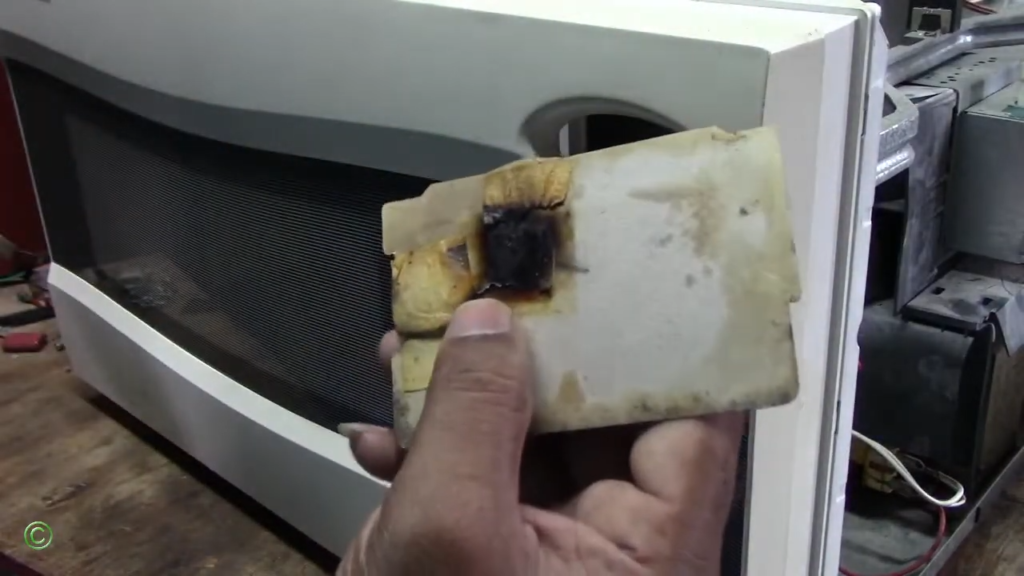
What it does:
Carries microwave energy from the magnetron into the cooking chamber.
Signs of failure:
- Sparks inside the microwave cavity
- Burn marks on the interior wall
- Uneven heating of food
Can users replace it?
No. Accessing the waveguide requires opening the casing and handling high-voltage components. Call a professional.
What Happens If You Keep Using It?
Arcing can damage the magnetron and create fire risks. The problem usually worsens until the microwave becomes unusable.
6. Waveguide Cover (Mica Sheet)
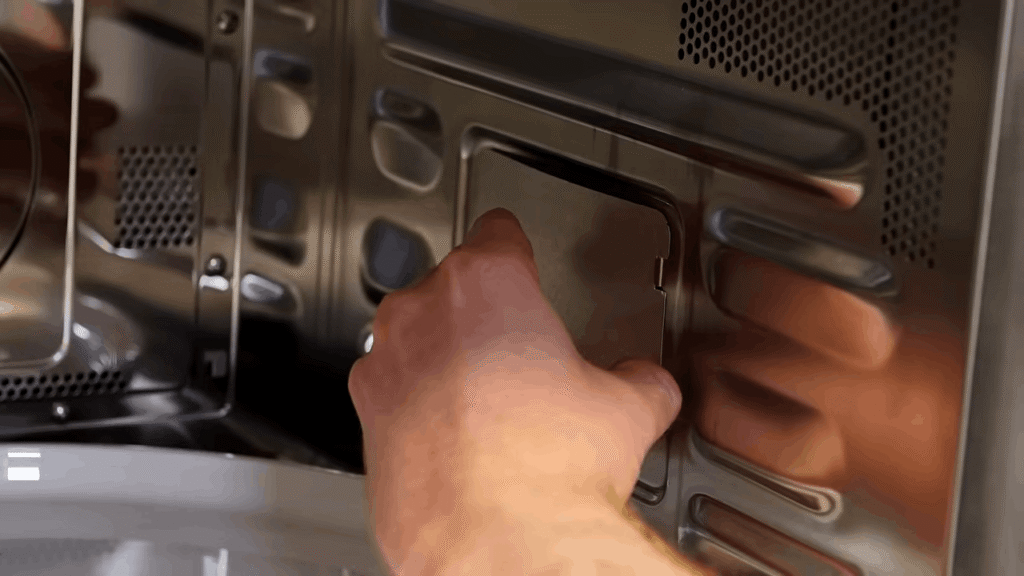
What it does:
Protects the waveguide from grease and food particles.
Signs of failure:
- Sparking during operation
- Burnt spots on the cover
- Crackling sounds
Note: One of the most commonly damaged parts.
Can users replace it?
This is user-replaceable if you can access it without removing the outer casing. Match the size exactly and never operate without a cover.
What Happens If You Keep Using It?
Food debris and grease will enter the waveguide and damage the magnetron. This leads to expensive repairs that could have been avoided.
7. Turntable Motor
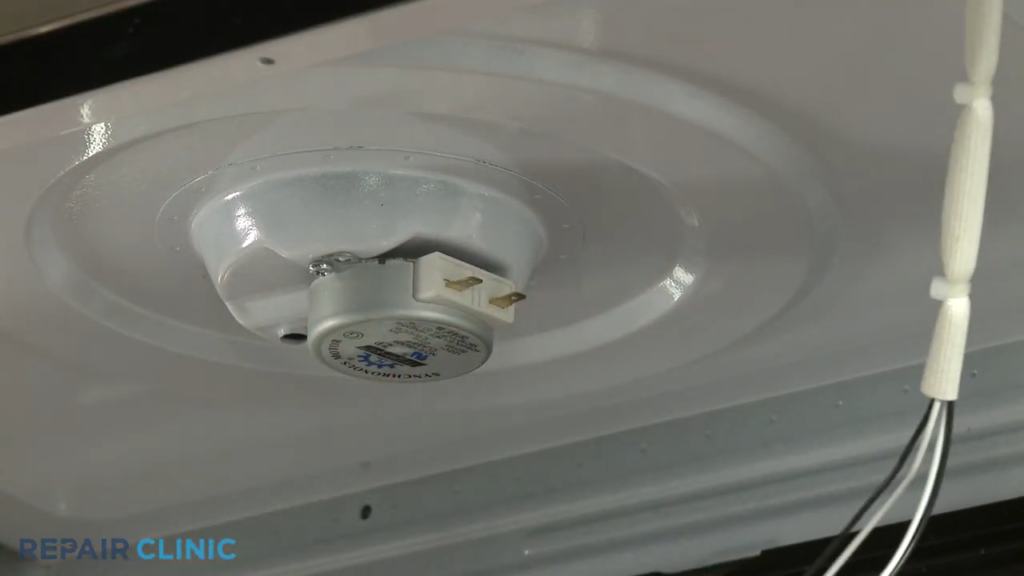
What it does:
Rotates food for even cooking.
Signs of failure:
Can users replace it?
Yes, if you are comfortable with basic repairs. Unplug the microwave, remove the bottom panel, and replace the motor with an identical part.
What Happens If You Keep Using It?
Your food will heat unevenly with cold spots in the center. You can still cook manually by stirring and rotating food yourself.
8. Roller Ring & Glass Turntable
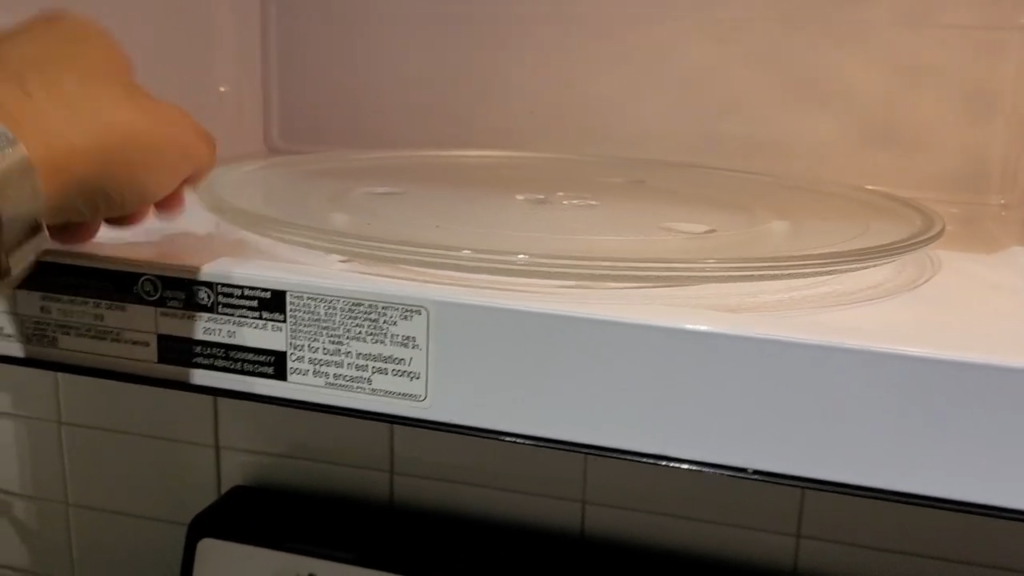
What it does:
Supports smooth rotation.
Signs of failure:
- Plate gets stuck while rotating
- Grinding or scraping noise
- Plate wobbles during operation
Can users replace it?
Yes, easily. Simply remove the roller ring and glass tray and replace them. These are common accessories available from the manufacturer.
What Happens If You Keep Using It?
Food will not heat evenly. A damaged roller ring can also stress the turntable motor, leading to motor failure.
9. Cooling Fan
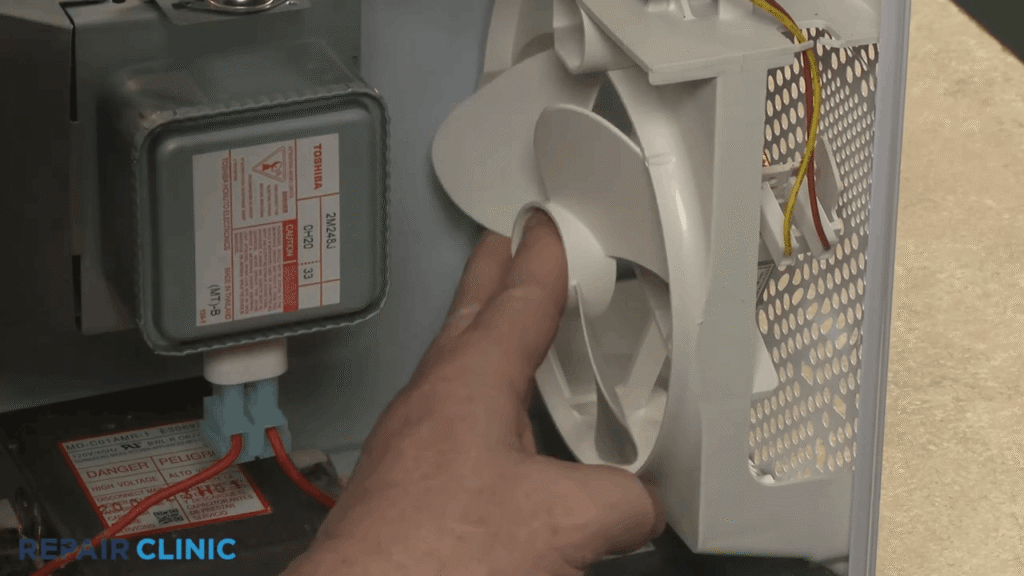
What it does:
Prevents overheating.
Signs of failure:
- Microwave gets very hot to the touch
- Automatic shutdown during cooking
- Burning smell from the unit
Can users replace it?
This is a technician job. Accessing the fan requires opening the outer casing and working near high-voltage components.
What Happens If You Keep Using It?
Without cooling, the magnetron and transformer will overheat and burn out. This turns a simple fan repair into an expensive replacement.
Suggested Article: Microwave Fan Not Working
10. Door Switches
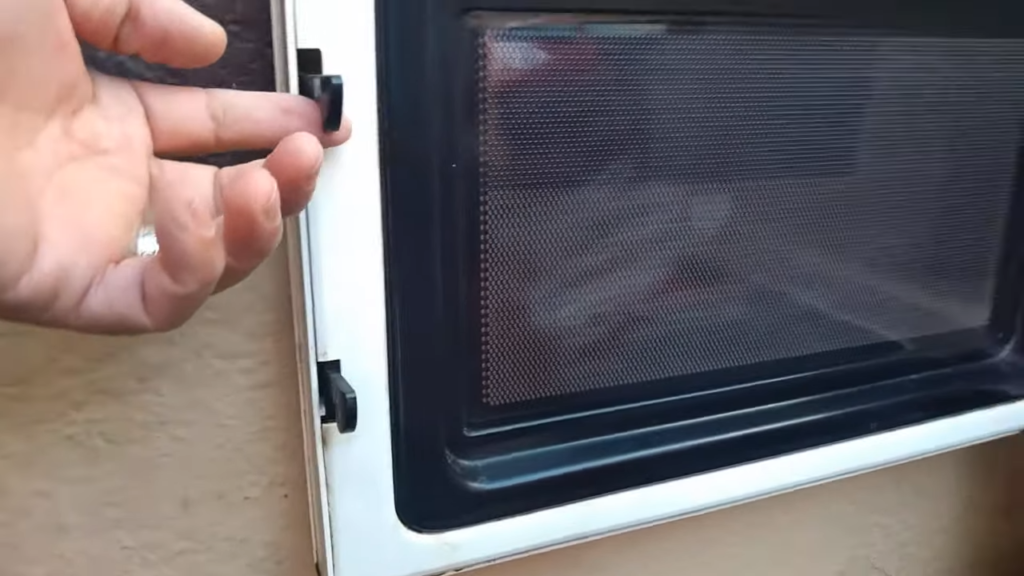
What it does:
Prevent the microwave from operating when the door is open.
Signs of failure:
- Microwave won’t start at all
- Stops when door moves slightly
- Door must be slammed to work
Can users replace it?
This is a technician job. Door switches are part of the safety interlock system and must be installed correctly.
What Happens If You Keep Using It?
A faulty door switch can cause the microwave to run with the door open, which is a serious radiation safety hazard.
Suggested Article: Microwave Oven Door Not Opening or Closing Problem
11. Door Seal & Door Latch
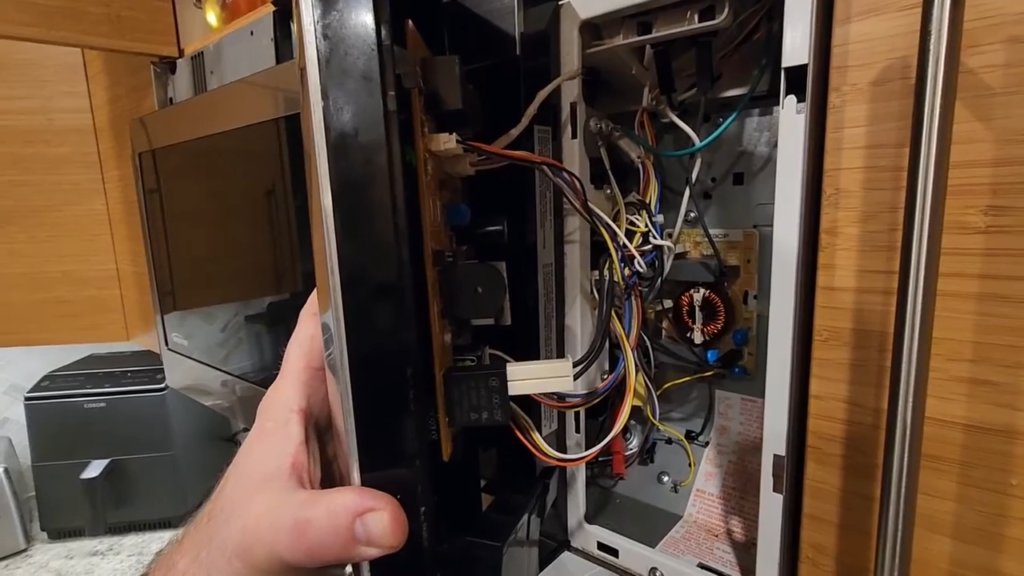
What it does:
Keep the door closed securely.
Signs of failure:
- Door not closing properly
- Safety errors on display
- Door feels loose or wobbly
Can users replace it?
No. Door seals are critical for safety and must be inspected and replaced by a qualified technician.
What Happens If You Keep Using It?
A damaged door seal or latch can allow microwave radiation to leak from the oven. This is a serious health hazard.
12. Control Panel & Touchpad
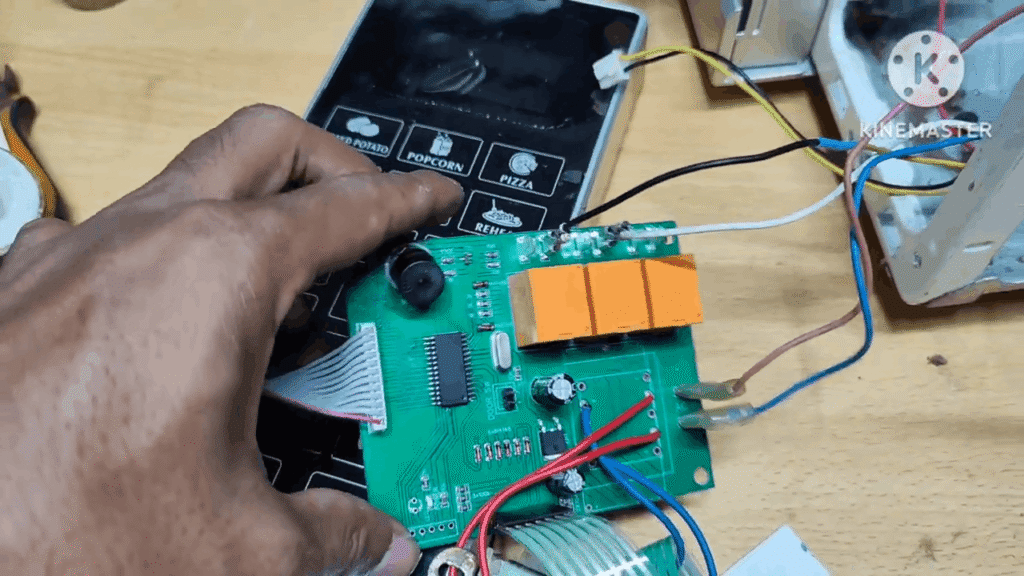
What it does:
Allows users to select settings.
Signs of failure:
- Buttons not responding to touch
- Wrong commands when pressing buttons
- Display works but keys don’t
Can users replace it?
Yes, but it requires opening the control panel and careful handling of ribbon cables. Use an exact replacement part.
What Happens If You Keep Using It?
You won’t be able to operate the microwave properly. The unit may start cooking on its own or fail to respond to inputs.
Suggested Article: Microwave Oven Touch Panel Not Working
13. Display Board
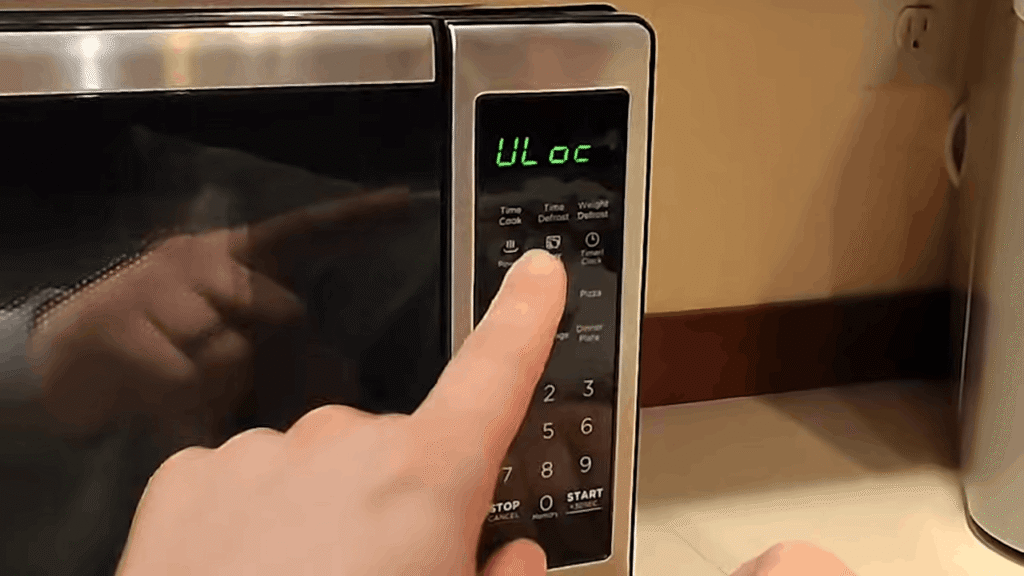
What it does:
Shows timer, cooking mode and error codes.
Signs of failure:
- Blank display with no power
- Flickering during operation
- Partial numbers missing
Can users replace it?
This requires opening the control panel and is best left to professionals.
What Happens If You Keep Using It?
You won’t be able to monitor cooking time or settings. Most microwaves can still heat food manually with a working touchpad, but operation becomes very difficult.
14. Interior Light
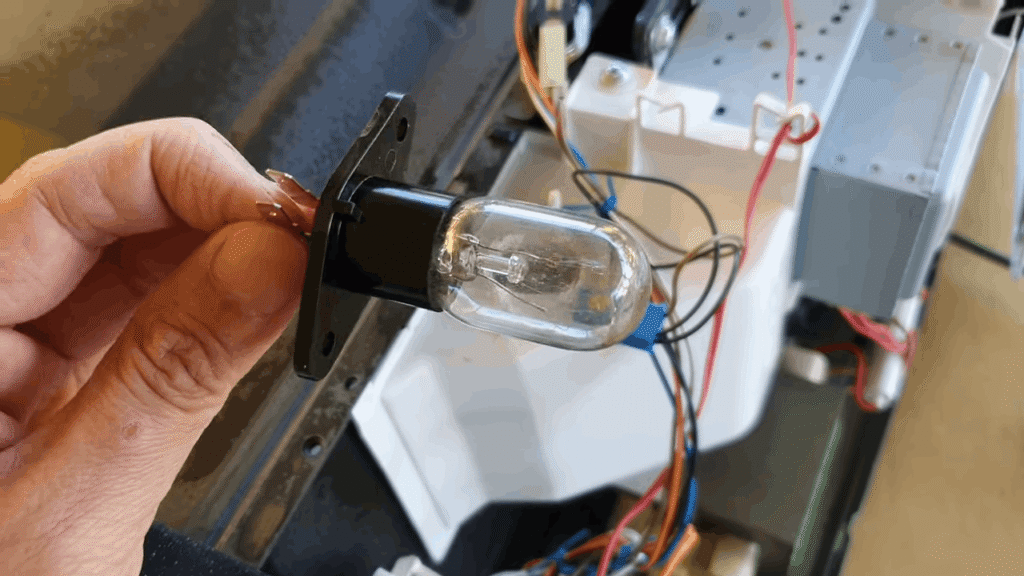
What it does:
Lets users monitor cooking.
Signs of failure:
- Light not turning on
- Bulb flickering
- Dim light during operation
Note: Usually it doesn’t affect heating.
Can users replace it?
Yes, but access varies by model. Some models have easy external access, while others require removing the casing. Check your user manual.
What Happens If You Keep Using It?
You can still cook normally, but you won’t be able to see inside. This is an inconvenience rather than a safety issue.
Suggested Article: Microwave Light Not Working
15. Thermal Fuse / Thermostat
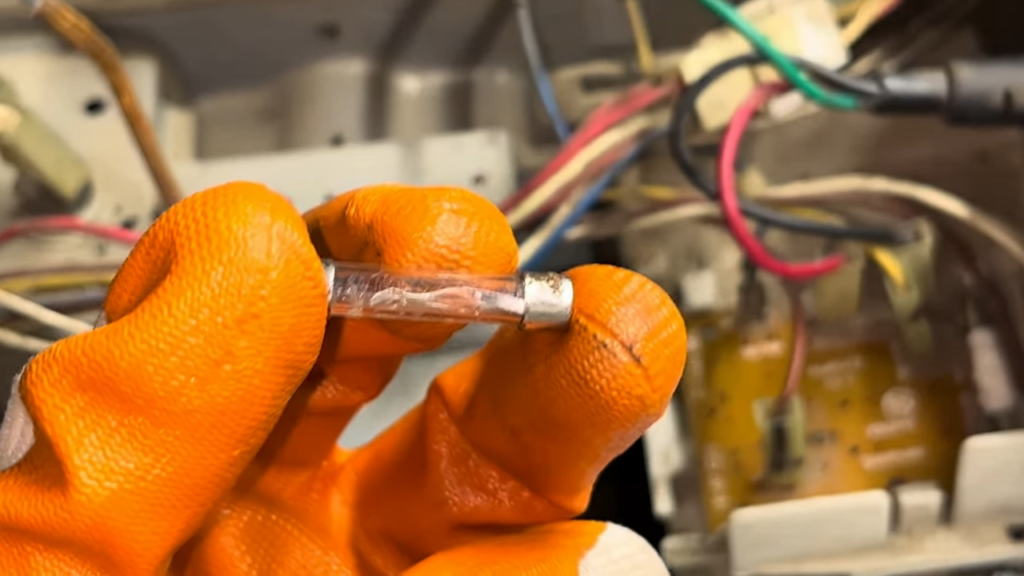
What it does:
Protects the microwave from overheating.
Signs of failure:
- Microwave completely dead
- Suddenly shuts off during use
Can users replace it?
This requires professional diagnosis and repair. A blown thermal fuse often indicates an overheating issue that needs investigation.
What Happens If You Keep Using It?
The microwave will not work until the fuse is replaced. Ignoring the problem can lead to fire hazards from continued overheating.
Which Microwave Parts Can Users Check at Home?
Before you call a technician, there are several components you can safely inspect yourself. However, some parts are strictly off-limits due to dangerous high voltage.
| Safe to Inspect | Do NOT Attempt |
|---|---|
| Glass turntable | Magnetron |
| Roller ring | Capacitor |
| Mica sheet | Transformer |
| Interior light | High-voltage diode |
| Door cleanliness | Internal wiring |
| Door latch |
Safe to Inspect (What to Look For)
| Part | What to Check |
|---|---|
| Glass turntable | Cracks, chips, or warping. Replace if damaged. |
| Roller ring | Broken wheels, debris buildup, or uneven movement. Clean and test for smooth rotation. |
| Mica sheet | Burn marks, black spots, or holes. Replace if damaged. |
| Interior light | If the light is off, check if the bulb needs replacement. Check your manual for access. |
| Door cleanliness | Food debris on seals can prevent proper closure. Wipe with a damp cloth. |
| Door latch | Listen for a firm click when closing. Check for loose hinges or broken plastic hooks. |
Key Safety Reminder
Never remove the outer casing of your microwave. The high-voltage capacitor inside can hold a dangerous electrical charge even after the appliance has been unplugged for weeks. If a component needs internal inspection or repair, always contact a qualified technician.
Which Parts Wear Out Because of User Habits?
The following points explain how common user habits can contribute to wear or damage affecting specific microwave parts.
Habit 1: Never cleaning food splatters
Never cleaning food splatters allows food splatters to remain uncleaned, affecting the mica sheet over time.
Parts Affected: Mica sheet can be affected when food splatters are never cleaned, making regular cleaning important for this part.
Habit 2: Slamming the door
Slamming the door repeatedly can affect the door switch because the door is not closed gently.
Parts Affected: Door switch can be affected by repeatedly slamming the door instead of closing it properly and carefully.
Habit 3: Running empty
Running the microwave empty means operating it without food inside, which can affect the magnetron.
Parts Affected: Magnetron can be affected when the microwave is repeatedly run empty without food inside during operation.
Habit 4: Blocking vents
Blocking vents prevents proper airflow around the cooling fan, potentially affecting its operation during microwave use.
Parts Affected: Cooling fan can be affected when vents are blocked, preventing the ventilation needed during microwave operation.
Habit 5: Using metal utensils
Using metal utensils inside the microwave can affect the waveguide and mica because metal utensils are not suitable for use. Find which utensils are good to use on micro ovens and other dos and dont’s
Parts Affected: Waveguide and mica can be affected when metal utensils are used inside the microwave during operation.
When Should You Call a Microwave Repair Technician?
Many microwave problems require professional attention. Here are the most common scenarios where calling a technician is your safest and smartest choice.
Microwave Runs but Doesn’t Heat
The turntable spins and lights work, but food stays cold. This indicates a high-voltage circuit failure involving the magnetron, diode, or capacitor. These components carry lethal voltage and require specialized testing equipment. Never open the casing yourself.
Sparks Inside the Microwave
Visible sparks or arcing inside the cavity during operation. If cleaning and removing metal objects doesn’t stop it, the waveguide or magnetron may be damaged. Continued use can destroy expensive components and create fire hazards. Call a technician immediately.
Burning Smell
Persistent electrical or plastic burning odor that remains after thorough cleaning. This points to failing internal components like a burning magnetron antenna or melted wiring. Unplug immediately and call a technician. Continued use risks fire or complete breakdown.
Loud Humming or Unusual Noise
Louder or different sounds than normal operation. A failing magnetron, defective transformer, or worn fan motor needs professional diagnosis. Running with a bad fan can overheat components in just 10 to 15 minutes.
Dead Microwave (Completely Unresponsive)
No lights, display, or response to any buttons. A blown internal fuse, faulty door switches, or failed power supply requires professional inspection. Replacing fuses without finding the root cause leads to repeated failure.
Door Won’t Close or Latch Properly
The door feels loose, won’t stay closed, or requires force to shut. This involves safety interlock switches that protect against radiation leakage. Never bypass or force the door. Only qualified technicians should handle door repairs.
Display Errors or Malfunctions
Error codes, flickering, or incorrect display information. Control board or power supply issues need professional diagnostic tools. Diagnosing without proper equipment leads to guessing and unnecessary part replacements.
Repeated Tripping of the Circuit Breaker
Microwave trips your circuit breaker repeatedly during operation. A shorted magnetron, faulty door switch creating a dead short, or damaged power supply component requires technician diagnosis and safe repair.
If you experience any of these issues, stop using the microwave immediately and unplug it. High-voltage components can store lethal charges even when unplugged. Your safety is worth the service call.
Conclusion
Every microwave relies on several components working together to heat your food safely and efficiently. Recognizing common symptoms early can prevent more expensive repairs down the road.
While simple items like the turntable or mica sheet can be checked safely, high-voltage components like the magnetron, capacitor, and transformer should always be handled by trained professionals. When in doubt, call a technician. Your safety is worth more than a DIY attempt.