Microwave Oven Safety Tips for Home Use – Do’s, Don’ts
A Quick Microwave Safety Guide For Home Users. Learn Safe Usage Rules, Common Mistakes To Avoid, And When To Stop Using Your Microwave.
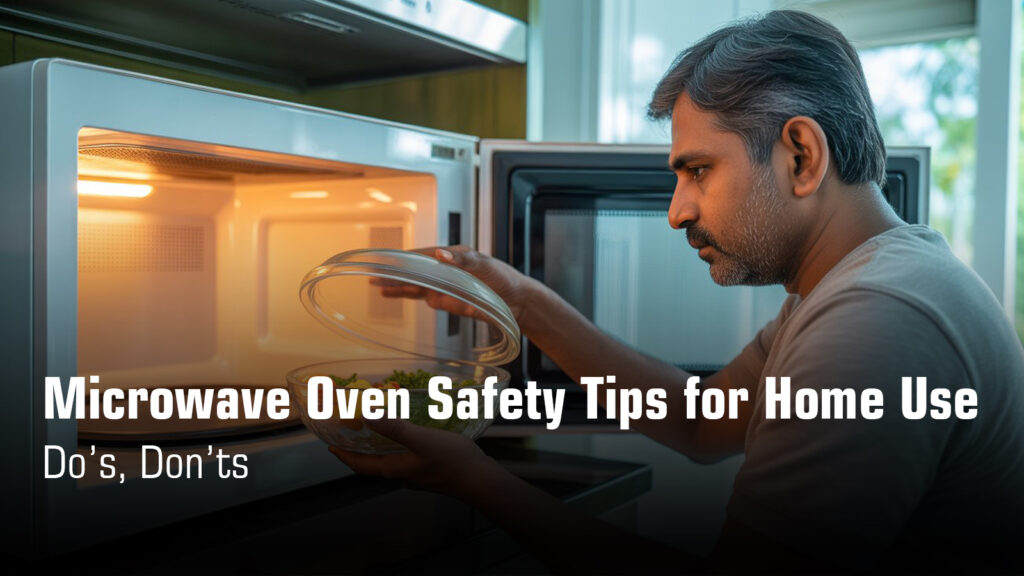
Microwaves are incredibly safe when you use them correctly. But when something goes wrong, it goes wrong fast. We see it all the time in service calls: sparking, burning smells, doors that won’t close properly, food that overheats or stays cold. Some of these issues are just annoying.
Others can be dangerous. This guide will walk you through a quick safety checklist and show you how to prevent the most common problems before they happen.
Quick Checklist to Safely Use a Microwave Oven At Your Home
Hire Concord Service’s Experts in Kolkata for
Sameday Microwave Oven repair
₹0 Advance Charges
Understand Microwave Safety Basics
How microwaves heat food (water molecules → steam)
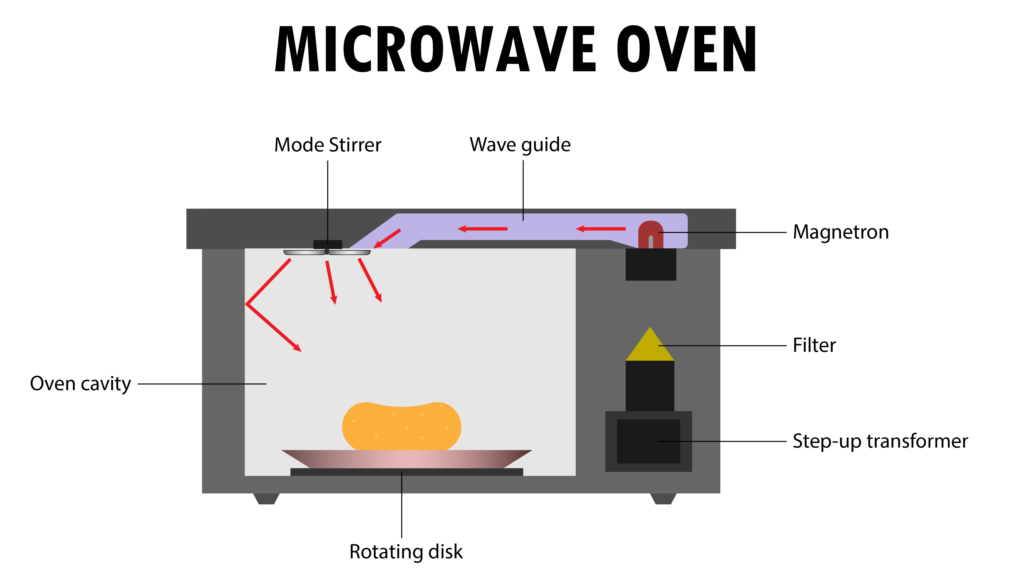
Your microwave works by creating microwave energy that targets water molecules in your food. These molecules vibrate over 2.4 billion times per second, creating friction that generates heat from the inside out. This is why microwaves cook so much faster than conventional ovens.
Why steam, condensation, and heat are normal
When food heats up, water turns into steam. That’s just physics. You’ll often see condensation appear on the door or inside the cavity, especially when cooking moist foods like vegetables or reheating soups. Some steam escaping from around the door is also completely normal because the door safety system blocks microwave energy, not steam or cooking smells.
Why safety interlocks and door seals are critical?
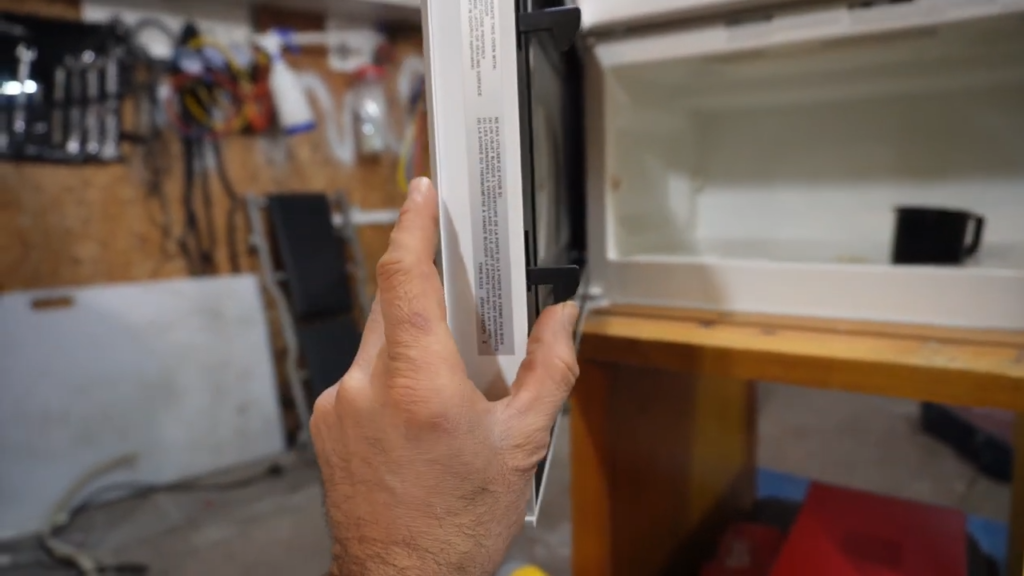
Here’s the thing: your microwave cannot operate with the door open because of built-in safety interlocks. These switches automatically cut power the moment you open the door, preventing harmful exposure to microwave energy. The door seals keep that energy contained inside the oven where it belongs. If your door doesn’t close properly, or if the seals are damaged, do not use the microwave until it’s been repaired by a qualified technician.
Safe Installation & Electrical Practices at Home
Proper electrical connection matters
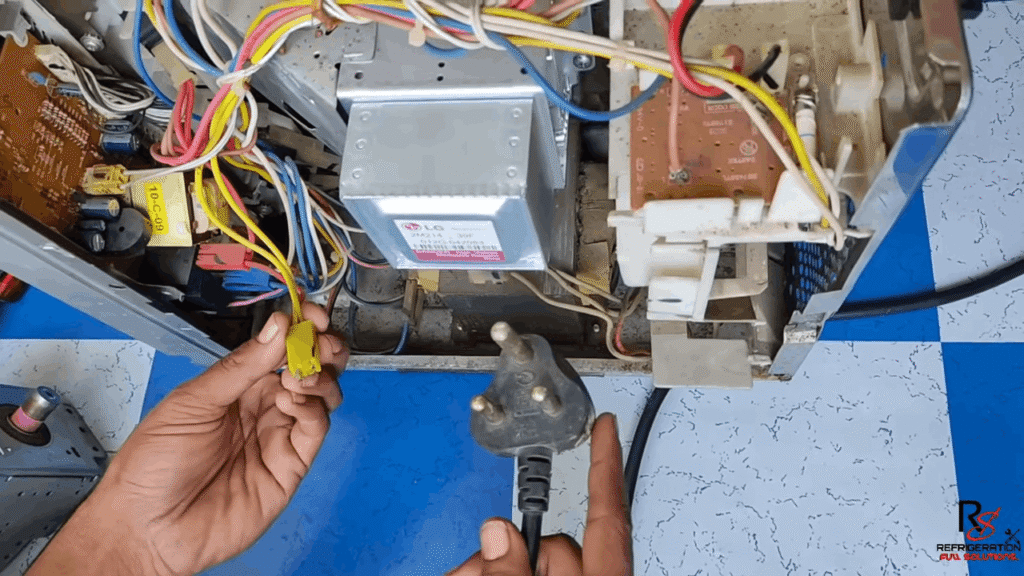
Your microwave must be plugged into a properly installed and grounded wall outlet. Grounding reduces the risk of electric shock by providing an escape route for electrical current if something goes wrong. Most microwaves come with a three-pin grounding plug for exactly this reason. Never remove the ground prong or use an adapter that bypasses it.
Skip the extension cords
Extension cords are a common shortcut, but they’re dangerous for microwaves. These appliances draw significant power (around 12 amps or more), and extension cords can overheat, create fire hazards, or trip your circuit breaker. If your power cord is too short, have a qualified electrician install an outlet closer to where you need it.
Give your microwave room to breathe
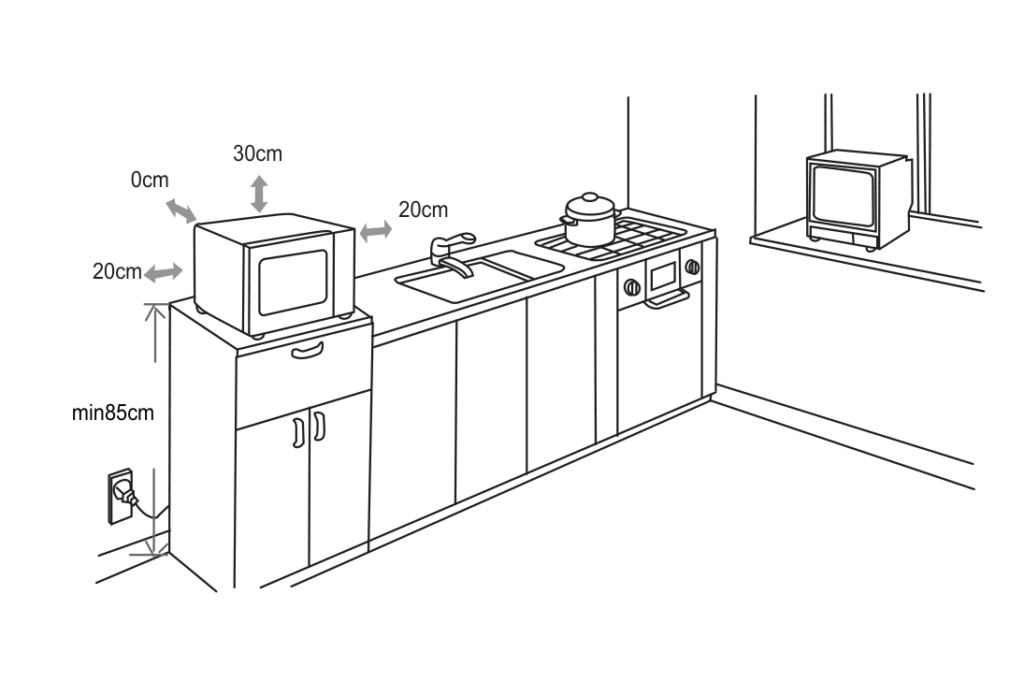
Microwaves generate heat during operation, and they need proper airflow to stay safe and efficient. Leave at least 20 cm of clearance above the oven, 10 cm at the back, and 5 cm on both sides. Never block or cover the ventilation openings. Your microwave’s cooling fan works hard to prevent overheating, so don’t make its job harder.
Suggested Read: How to Fix Microwave Oven fan Not Working
Location matters more than you think
Keep your microwave away from heat sources like stovetops, ovens, or direct sunlight. Avoid placing it in damp areas where moisture can damage electrical components. The back of the appliance heats up during use, so make sure the power cord doesn’t touch hot surfaces or get pinched between the microwave and a wall.
What NOT to do
Do not:
If you’re experiencing grounding or electrical issues with your microwave, such as frequent breaker trips or shocks when touching the appliance, read our detailed guide on Microwave Tripping Cricuit Breaker to understand the causes and solutions.
Utensils & Containers: What Is Safe and What Is Dangerous
One wrong container choice can turn your microwave into a light show you don’t want to see. Metal sparks. Plastic melts. Some dishes crack or shatter. Here’s how to avoid those mistakes and keep your microwave (and your food) safe.
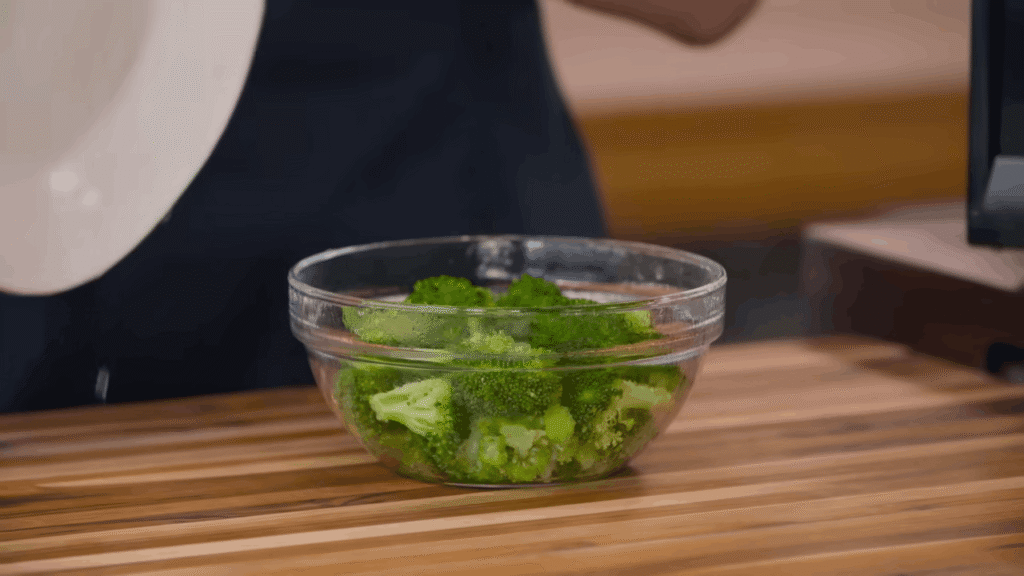
Safe vs Unsafe Utensils
| SAFE TO USE | NEVER USE |
|---|---|
| Heat-resistant oven glassware (no metallic trim) | Steel, aluminum, or any metal cookware |
| Ceramic or stoneware without gold/silver decoration | Dishes with metallic rims, trim, or paint |
| Microwave-safe plastic (must be labeled “Microwave Safe”) | Aluminum foil trays or food cartons with metal handles |
| Paper plates and towels (short-term use only) | Paper bags, takeaway boxes with staples, or twist ties |
| Oven cooking bags (slit open to release steam) | Sealed or airtight containers (they can explode) |
| Parchment paper or wax paper | Plastic foam or styrofoam containers |
| Regular glass jars (not heat resistant, may break) |
Suggested Read: Microwave Dos and Don’ts: Utensils, Defrosting & More
Why is metal the enemy?
Microwaves bounce off metal like light off a mirror. When metal is inside your oven, those waves have nowhere to go, so they create sparks (arcing) that can damage your microwave or even start a fire. Even a tiny piece of foil or a decorative gold rim on a plate is enough to cause trouble.
If you’ve experienced sparking before, check out our guide on Microwave Sparking Problem to understand what went wrong and how to fix it.
Not all plastic is microwave-friendly
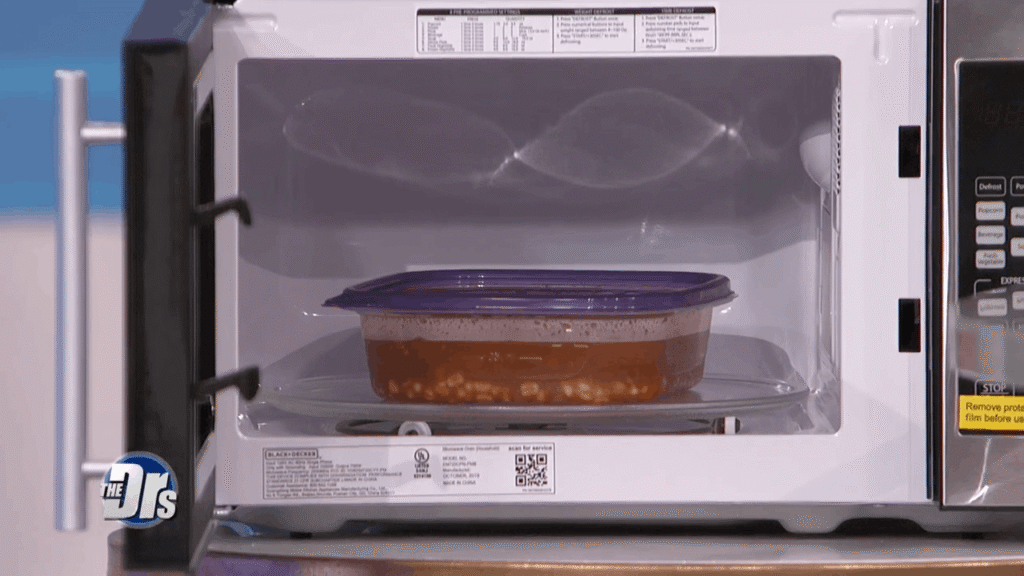
Some plastics melt, warp, or release chemicals when heated. Only use containers clearly labeled “Microwave Safe.” If the label is missing or you’re not sure, don’t risk it. Plastic foam containers are especially dangerous because they melt easily and can contaminate your food with toxins.
Quick Tip: The 1-Minute Utensil Test
Not sure if a dish is safe? Here’s a simple test:
- Fill a microwave-safe glass with 1 cup of cold water (250ml)
- Place it in the microwave next to the dish you’re testing
- Heat on maximum power for 1 minute
- Carefully feel both items
If the dish stays cool and the water heats up = Safe to use
If the dish gets warm = Don’t use it (it’s absorbing microwave energy)
This test takes one minute and can save you from a cracked dish or a ruined meal.
Food Heating Safety Rules Most Users Ignore
You’ve probably heated hundreds of meals in your microwave without thinking twice. But there are a few simple rules that can save you from burns, exploding food, and kitchen disasters. Here are the top five mistakes people make, and how to avoid them.
Top 5 Food Heating Mistakes
Heating eggs in their shell or hard-boiled eggs
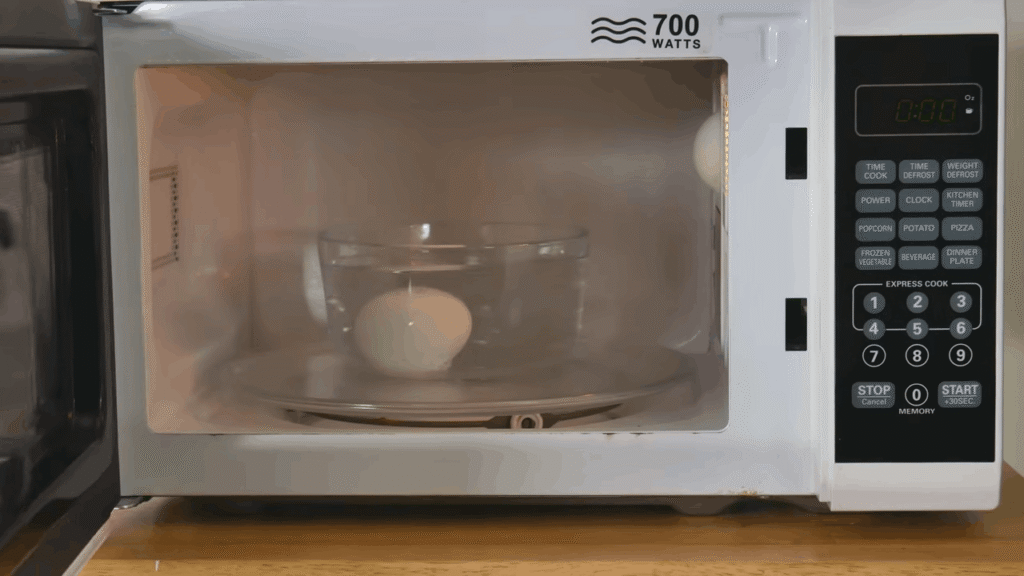
Never put eggs in their shell or whole hard-boiled eggs in the microwave. Pressure builds up inside, and they can explode, sometimes even after heating has ended. The mess is bad enough, but the scalding steam and hot egg fragments can cause serious burns.
Skipping the pierce step for food with skin
Foods with tough skins like potatoes, whole squashes, apples, chestnuts, tomatoes, and sausages need to be pierced before heating. Without small vent holes, steam builds up inside and the food bursts. A simple fork prick in a few spots prevents this completely.
Not stirring liquids before and after heating
Microwave heating of beverages can result in delayed eruptive boiling, which sounds technical but basically means your coffee can suddenly explode in your face when you touch the cup. Always stir liquids before heating, halfway through, and again after heating to distribute the temperature evenly and release trapped steam safely.
Overheating oils or dry foods
Hot oil can damage oven parts, utensils, and cause skin burns. Never heat cooking oil alone in the microwave. Similarly, dry foods like bread or food with very low water content can overheat, smoke, or even catch fire if heated too long at high power.
Heating food in sealed or airtight containers
Sealed containers are basically pressure cookers waiting to explode. Always remove lids, loosen covers, or pierce plastic wrap before heating. Baby bottles and jars should always be opened, and their contents stirred and temperature-checked before serving to avoid burns.
Door, Locks & Child Safety Precautions
Your microwave door isn’t just a convenience. It’s your first line of defense against microwave radiation leaking into your kitchen.
Why does door alignment matter?
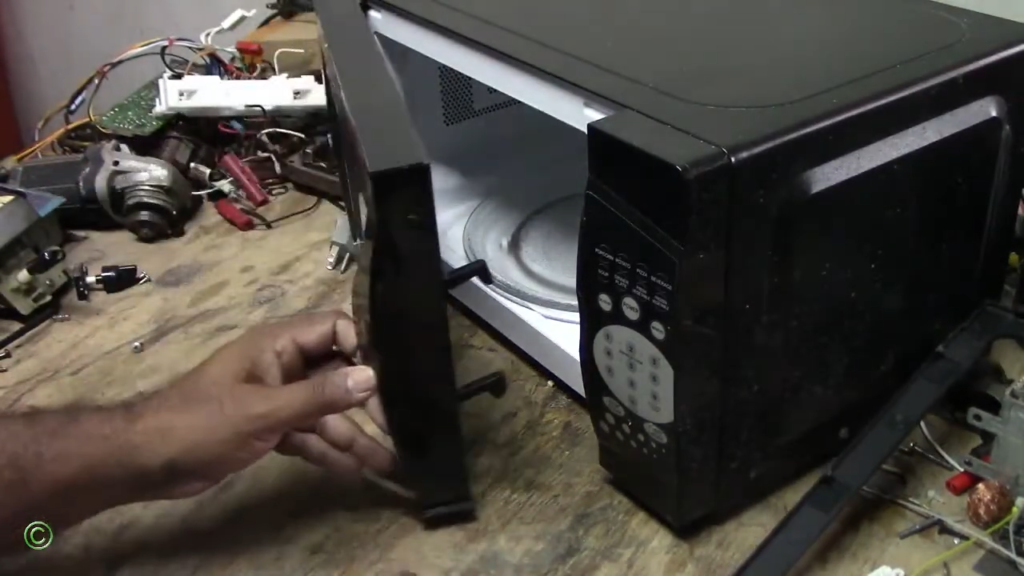
When the door doesn’t sit flush against the frame, microwave energy can escape. Door seals create an airtight barrier that keeps radiation inside where it belongs. If the door is bent, the hinges are loose, or the seals are cracked, stop using the microwave immediately. This isn’t about performance anymore. It’s a safety risk.
Handle the door gently
Slamming your microwave door wears out hinges, cracks plastic latches, and bends the frame. If your door needs force to close, something’s already wrong. Be gentle. A door that resists is telling you it needs attention.
Broken latch? Don’t use it
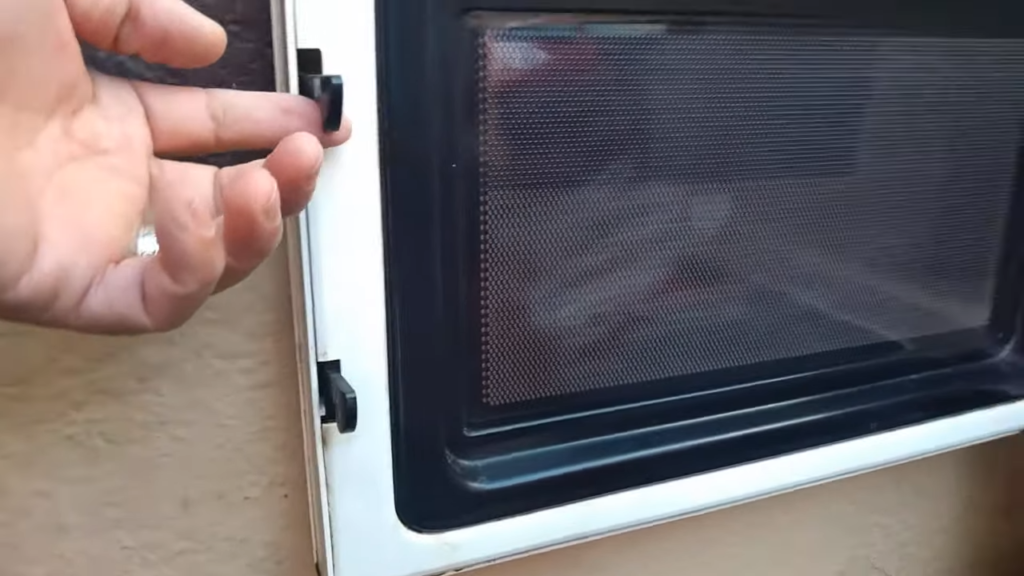
If your door doesn’t latch properly or pops open while running, unplug the microwave. A loose door can lead to radiation leakage, and the safety switches that prevent the oven from running with an open door might not engage correctly. Dealing with a stubborn door?
Read our guide on Microwave Oven Door Not Opening or Closing for fixes.
Child lock: it’s not a door lock
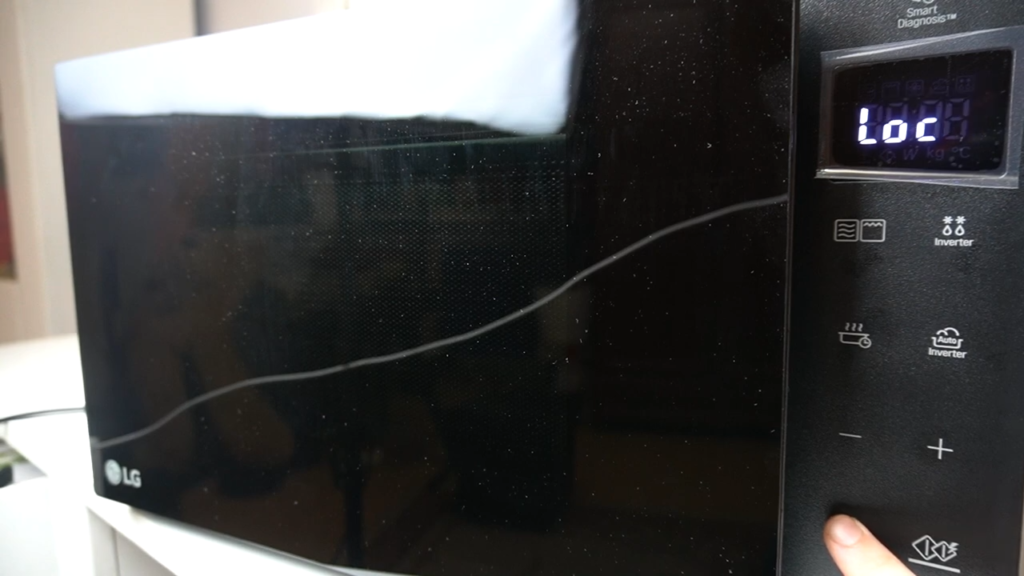
Let’s clear this up. Child lock disables the control panel buttons, not the door. Kids can still open the microwave even when the lock is on. What it does is stop the oven from starting accidentally.
Most models require holding a button (usually Stop/Cancel or one with a lock icon) for 3-5 seconds.
The display shows “L”, “LOC”, or a padlock when active. Stuck with a child lock that won’t turn off?
Check our troubleshooting guide: Microwave Child Lock Not Turning Off
Cleaning & Maintenance to Prevent Hazards
Most microwave problems we see in service calls could have been prevented with basic cleaning. Here’s what really matters.
Food residue = sparking and burning smells
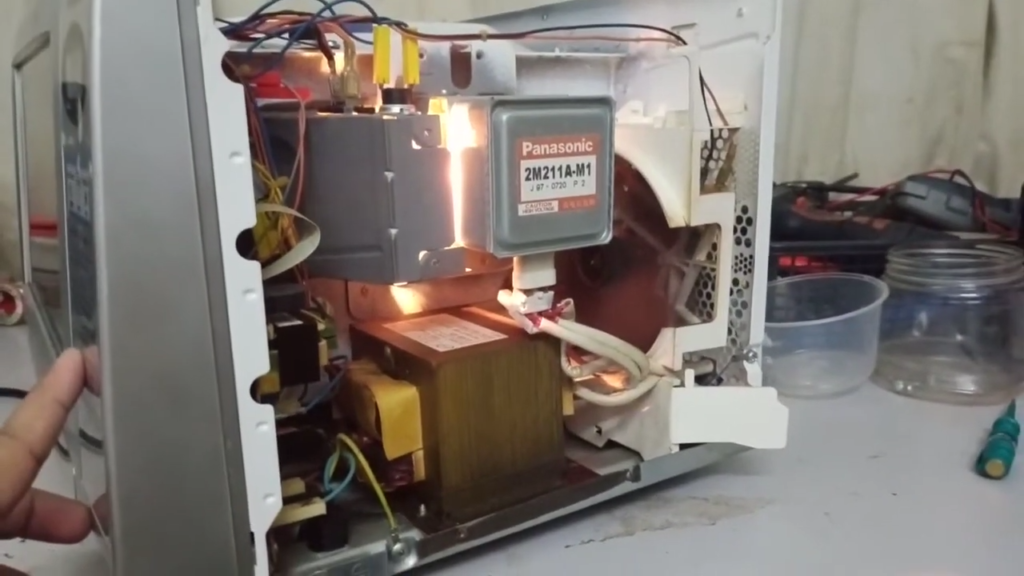
When grease and food splatter on the ceiling or walls, they don’t just disappear. That residue burns over time, turns into carbon, and starts conducting electricity. The result? Sparks, loud popping sounds, and that awful burning smell you can’t ignore.
Clean the waveguide cover gently
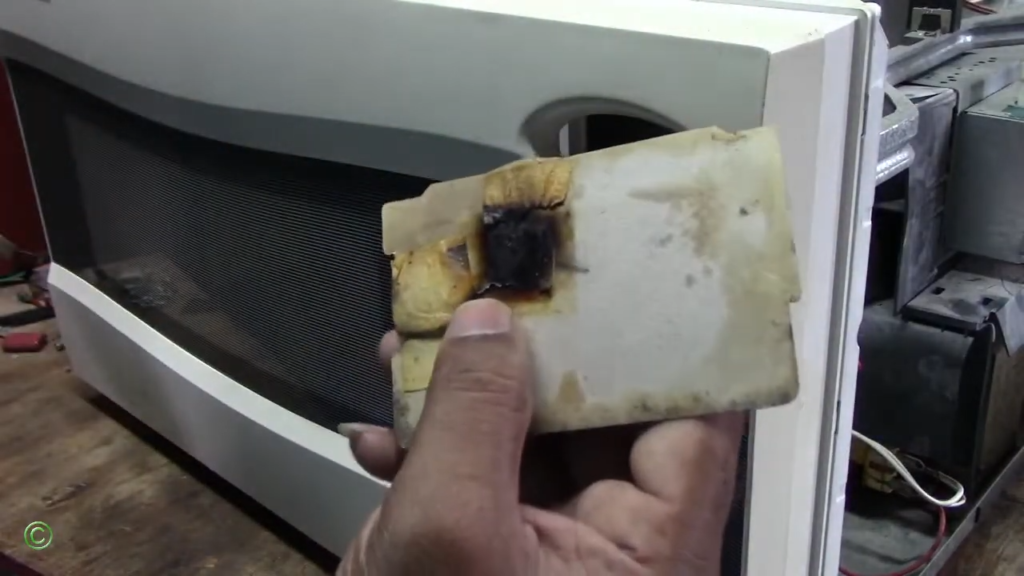
That small panel on the inner wall protects the microwave’s energy opening. When food sticks to it, the residue carbonizes and causes sparks. Wipe it with a damp cloth and mild soap, but never remove it to soak in water. That can warp or damage the mica sheet.
Wipe moisture after use
Condensation is normal, but leaving it inside leads to rust and mold. After cooking, wipe down the interior with a dry cloth. Leave the door slightly open for a few minutes so leftover moisture can escape naturally.
Keep turntable and roller clean
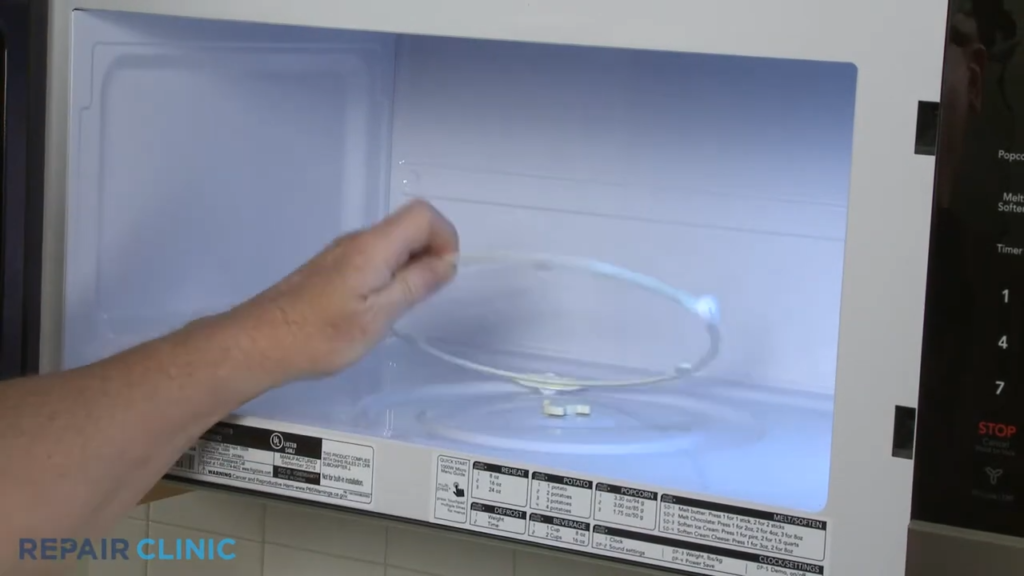
Food particles get stuck under the turntable and gum up the roller ring. That’s what causes the grinding noise and uneven heating. Remove both pieces regularly, wash with soapy water, and dry completely before putting them back.
Suggested Article: How to Properly Clean Your Microwave Oven at Home?
When to Stop Using Your Microwave and Call a Professional?
Some problems are annoying. Others are dangerous. Here’s how to tell the difference.
Warning signs you can’t ignore
If your microwave shows any of these symptoms, stop using it immediately:
Suggested Read: Microwave Turning Off After 3 Seconds Problem
What to do right now?
Switch off immediately and unplug.
Don’t try to finish heating your food. Don’t run “just one more cycle” to see if the problem repeats. Unplug the microwave from the wall and keep it off until a qualified technician examines it. High-voltage components inside can store lethal electrical charges even when unplugged, so attempting DIY repairs on these issues is genuinely dangerous.
What NOT to Repair Yourself
Here’s the thing: we get it. You’re handy around the house. You’ve fixed plenty of things before. But microwaves are different.
Never open the outer cabinet yourself. Inside, there’s a high-voltage capacitor that can hold a lethal electrical charge for weeks or even months after you unplug the unit. We’re not exaggerating. This isn’t a “be careful” situation. It’s a “this can kill you” situation.
Door repairs, magnetron replacements, and control board fixes must be handled by trained professionals. These aren’t YouTube repair projects.
One wrong move with high-voltage components can cause serious injury or death. Let qualified technicians who know how to safely discharge capacitors and handle internal wiring do this work. Your safety is worth the service call.
Final Thoughts
Your microwave is one of the safest appliances in your kitchen when you follow basic rules. The truth is, most serious problems don’t appear out of nowhere. They start small: a bit of food residue that carbonizes, a door that doesn’t quite latch, a strange smell you ignore for too long.
Regular checks and safe habits keep those small things from becoming big, expensive repairs. If something feels off, don’t guess. Stop using it and get it checked by a professional.