Microwave Oven Fuse Problem – Fix Today With Easy Checklist
Microwave Suddenly Dead? Discover Why Microwave Fuses Fail, Common Symptoms, Repeat Fuse Issues, And How Professionals Fix Them Safely.
What Does a Microwave Fuse Problem Mean?
Your microwave just died. No display, no beeps, nothing. You’ve checked the plug and outlet. Still dead.
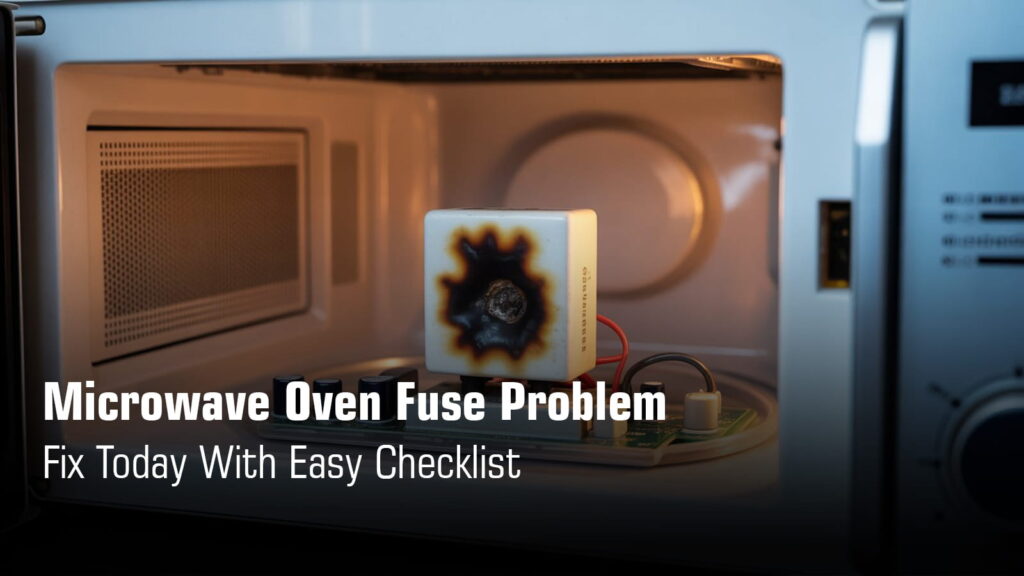
Here’s the thing: it’s probably the fuse. This small component protects your microwave from overloads and short circuits. When something goes wrong, it deliberately blows to save expensive internal parts.
But a blown fuse is just a symptom, not the root cause. Sometimes it’s simple, like a power surge. Other times, faulty door switches or high-voltage components are to blame.
The good news? This is common and often fixable. You can check basics like fuse ratings yourself. But leave high-voltage work to professionals.
Quick Checklist to Fix Microwave Fuse Problem
Get Same-Day Doorstep Microwave Oven Repair in
Kolkata & Nearby Areas
₹0 Advance Charges
What Is a Microwave Oven Fuse & Why Does It Blow?
Location of the main fuse
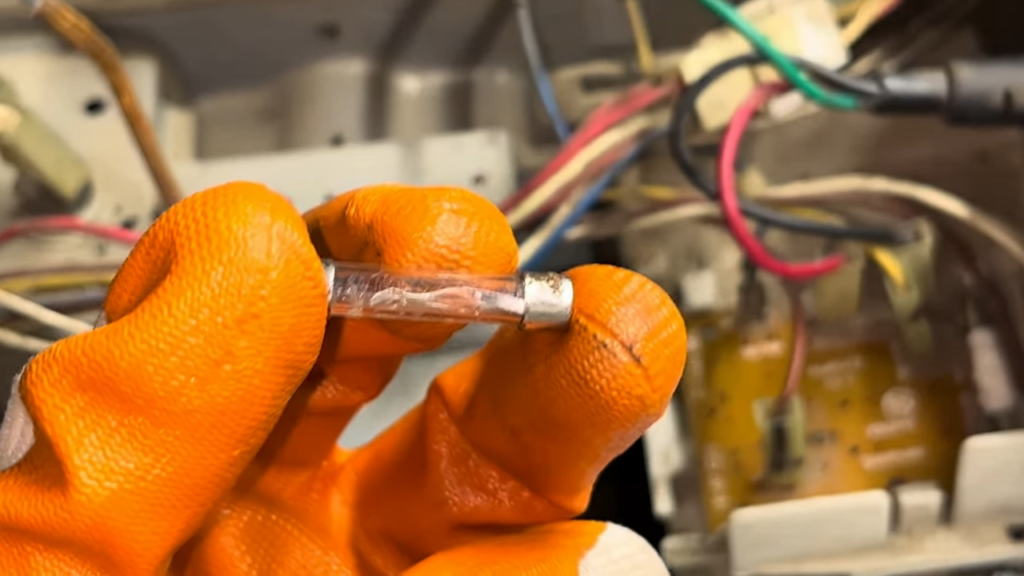
The main fuse typically sits near where the power cord enters the microwave case, usually just inside the casing.
Some microwaves have multiple fuses protecting different sections, with one for main power and another for the high-voltage circuit.
| Fuse Type | Location | Appearance |
|---|---|---|
| Main (Line) Fuse | Near power cord entry point | Narrow 2-inch ceramic or glass rectangle |
| Thermal Fuse | Near cavity or magnetron | Larger black cylinder with two prongs |
Types commonly used
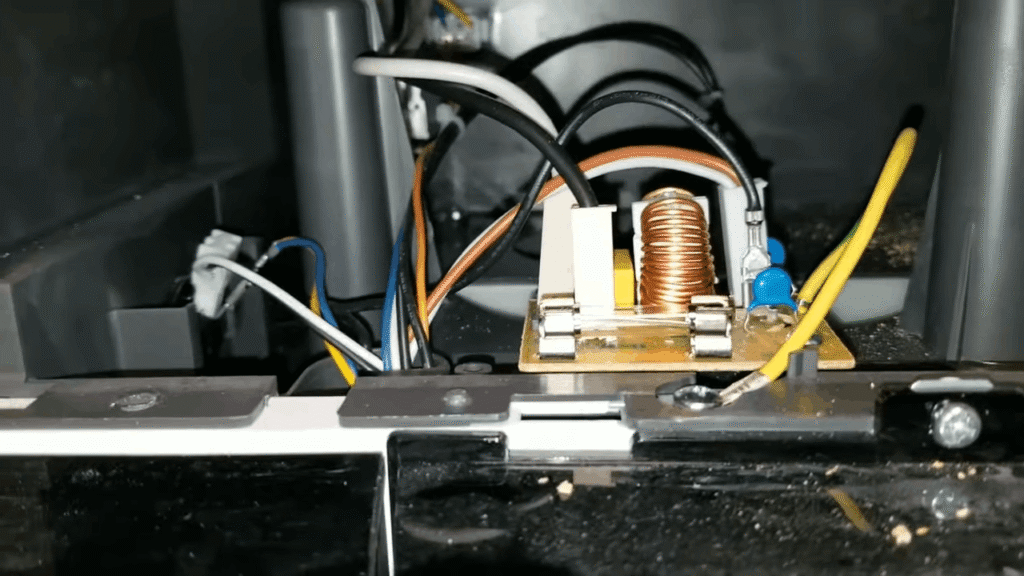
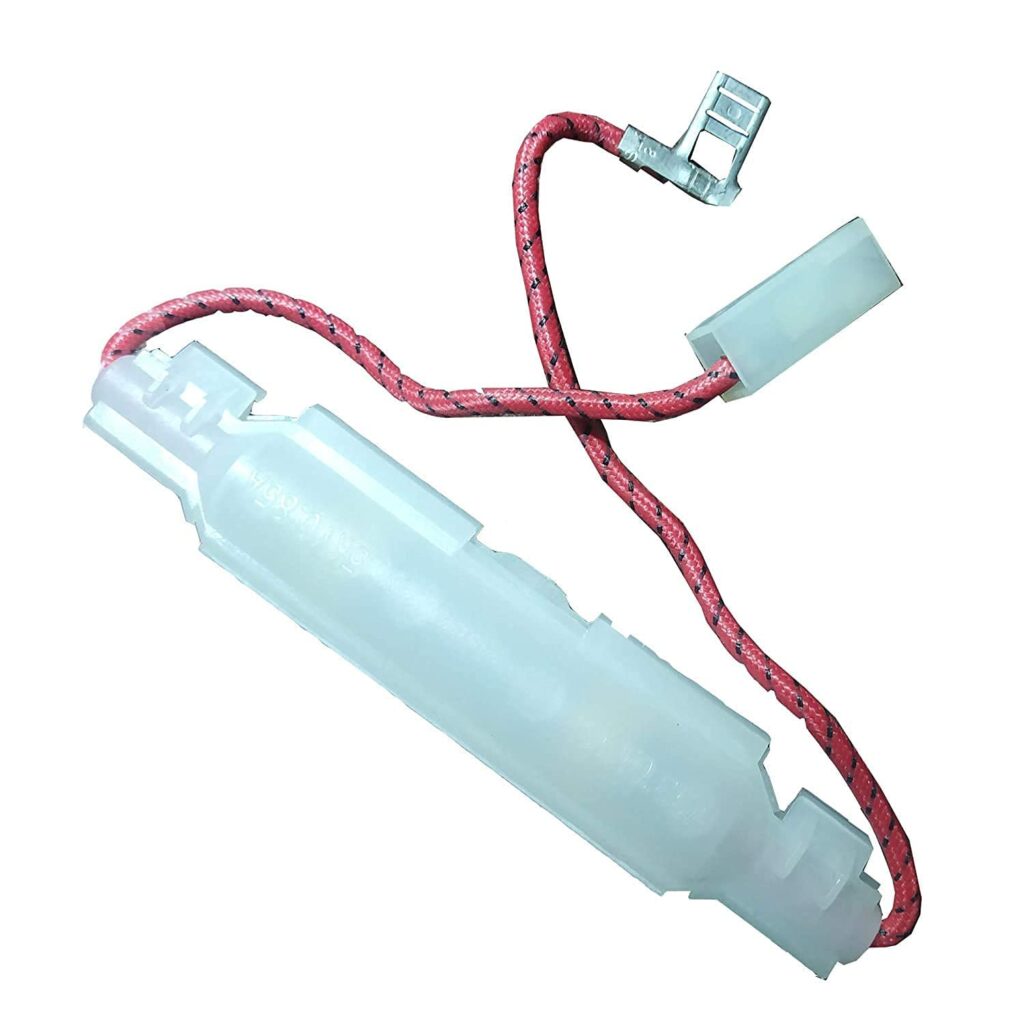
Most microwaves use two main types of fuses. The ceramic fuse (or glass tube fuse) is rated around 15-20 amps and protects the main power circuit, while the thermal fuse acts as an overheat protector that cuts power if temperatures get too high.
Glass fuses have a visible filament you can check by eye, but ceramic ones are opaque and require a multimeter test.
How do fuses protect against electrical problems?
Fuses are your microwave’s safety net, deliberately failing to prevent bigger disasters:
- Electrical overload:
When the microwave draws more current than it should (usually 15-20 amps), the fuse blows before wires overheat or components burn out. - Short circuits:
If wiring faults or component failures create a direct connection between power lines, the fuse cuts power instantly to prevent sparking, fire, or damage to the control board and transformer.
Component failure:
Defective parts like a shorted magnetron, failed high-voltage diode, or damaged transformer can create dangerous electrical conditions. The fuse sacrifices itself to protect the rest of your microwave from cascading damage.
Not sure how to fix it? Concord Services provides quick, trusted microwave oven repair in Kolkata to restore safe, proper operation.
Clear Symptoms of a Blown Microwave Fuse
No power even with working socket
A blown fuse causes total loss of power while other appliances and the wall outlet still work normally. You’ll notice the microwave is completely dead with no response when you press buttons or plug it in, usually without any burning smell.
Display completely blank
When the ceramic fuse blows, it leaves the unit completely nonfunctional with a blank display and no clock visible. This differs from a control board failure where you might see partial display function or error codes.
Interior light not turning on
The interior light stays off along with all other functions when the main fuse fails. However, if only the light is affected while buttons still respond, the problem is more likely a faulty door switch or bad bulb rather than the fuse.
Unit died mid-cycle and won’t restart
If your microwave suddenly stopped while heating food and now refuses to power back on, a blown fuse is the most common culprit. The fuse may have blown due to a power surge, component failure, or overload during operation.
How to Tell the Difference: Fuse vs. Control Board vs. Door Switch Fault
| Symptom | Blown Fuse | Faulty Control Board | Bad Door Switch |
|---|---|---|---|
| Display status | Completely blank, no lights | May show partial display or error codes | Display works but oven won’t heat |
| Interior light | Off | May work | May stay on or off inconsistently |
| Button response | No response at all | Erratic or no response | Buttons work but no heating |
| When it happens | Sudden power loss, often mid-cycle | Gradual issues or random glitches | Only when door opens/closes |
| Other clues | Other outlets work fine | Burnt smell or visible board damage | Problems worse when door moves |
Key diagnostic tip: If your fuse is good (tested with multimeter) but display is still dead, suspect the control board.
If the display lights up but the microwave won’t heat when you close the door, test the door switches first before assuming it’s a fuse problem.
Main Causes of Microwave Fuse Failure
Power Supply & Electrical Issues
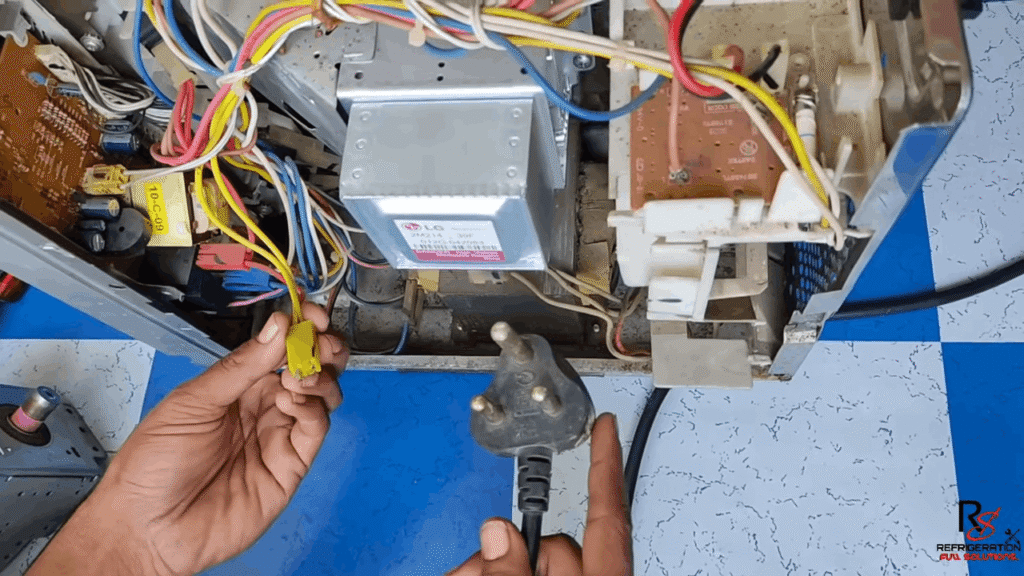
Power surges and voltage fluctuations can instantly blow the fuse, especially during storms or grid instability. A loose plug or damaged socket creates arcing that overheats connections. Extension cords are unsafe for microwaves because they can’t handle the high power draw and often lack proper grounding, putting dangerous stress on your fuse.
Door Switch & Latch Problems
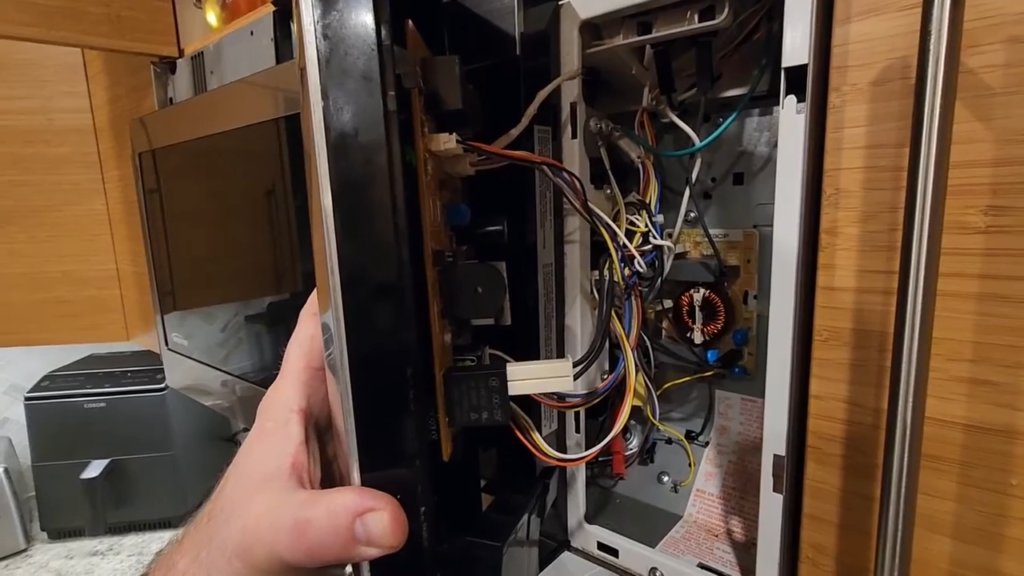
Misaligned doors or bent latches create incorrect electrical connections that short the circuit when you close the door. Most microwaves have three or four interlock switches, and when these wear out or stick, they fail to control power properly. In about 90% of cases where your fuse blows the instant you press START, a faulty door switch is to blame.
Common door switch failure patterns:
- Fuse blows when door closes
- Fuse blows immediately when START is pressed
- Switch feels loose or doesn’t click
- Problems get worse with repeated door use
High-Voltage Component Failures
| Component | How It Causes Fuse Failure | Warning Signs |
|---|---|---|
| High-Voltage Diode | Shorts internally, creates direct power path | Loud humming, fuse blows at startup |
| Magnetron | Body-shorted (terminals connect to chassis) | Trips breaker instantly, burnt smell |
| High-Voltage Capacitor | Fails and discharges incorrectly | Fuse blows mid-cycle, popping sound |
| Transformer | Internal winding shorts cause overload | Burning smell, loud buzzing |
Critical point:
Replacing only the fuse when these components fail is pointless. The new fuse will blow again immediately because the underlying problem hasn’t been fixed. You need to diagnose and repair the faulty component first.
User-Triggered Causes
Running your microwave empty overheats the magnetron rapidly since there’s no food to absorb energy, triggering thermal fuses or damaging components. Metal objects or foil create dangerous arcing that instantly blows fuses. Moisture from spills or steam seeps into electrical connections causing shorts. Blocked ventilation from dust or tight placement leads to overheating.
Suggested Read: Microwave Oven Condensation Problem
Quick prevention tips:
Critical safety information you need to know
Microwave capacitors stay deadly even when unplugged
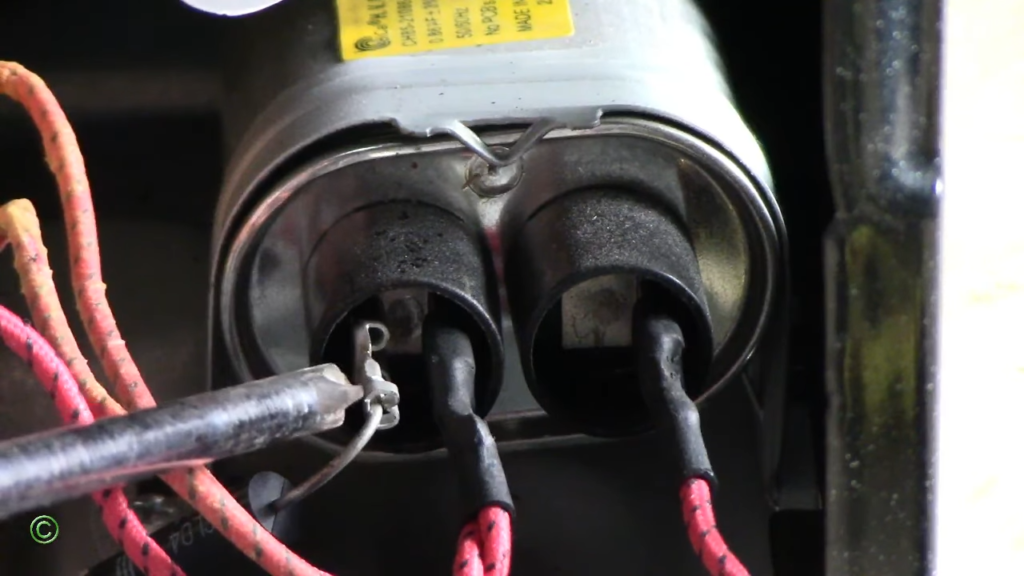
That high-voltage capacitor inside can hold a lethal charge for months after unplugging. We’re talking several thousand volts here. Wait at least 5 minutes and use proper discharge procedures, or you’re risking serious injury or death.
Getting to the fuse means opening dangerous territory
You’ll need to remove panels that expose high-voltage components. Even unplugged, one wrong touch can shock you. This isn’t a simple battery replacement.
Replacing the fuse without knowing why it blew is asking for trouble
If a shorted magnetron or failing diode caused the problem, your new fuse will blow immediately. Worse, you could damage expensive parts or hurt yourself without proper tools and training.
⚠️ WARNING:
If you don’t know why the fuse blew, stop. Replacing it blindly risks repeat failure or serious injury.
A blown fuse is telling you something went wrong. Installing a new one without fixing the real problem is dangerous. Best case? The fuse blows again. Worst case? Electrical shock or fire.
Call a professional if you notice:
Prevention Tips to Avoid Future Fuse Failure
Always use a dedicated wall socket
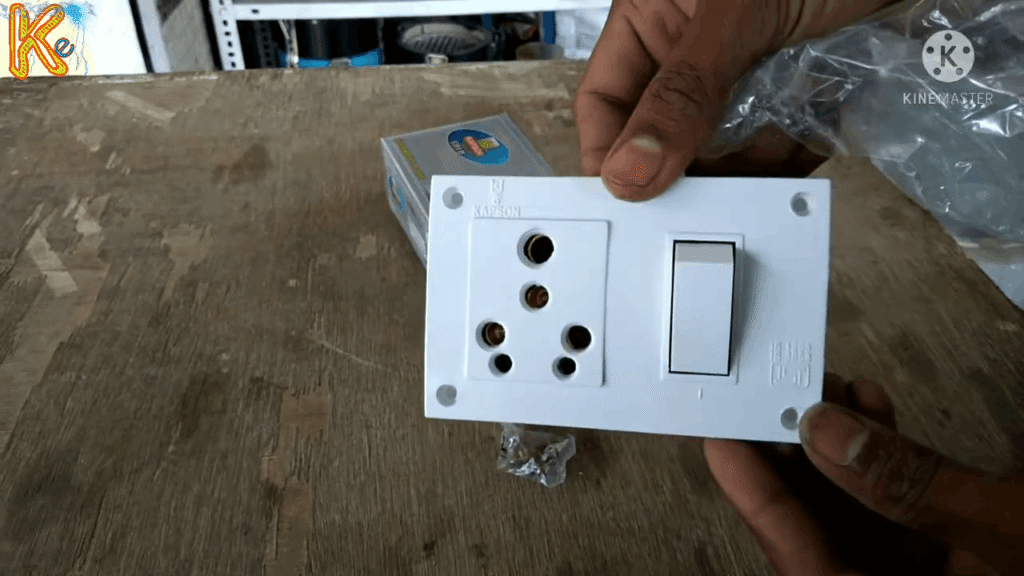
Keeping your microwave on its own dedicated circuit prevents overloading and ensures it gets the consistent 15-20 amp power supply it needs without competing with other appliances.
Avoid extension cords
Extension cords can’t handle the high power draw of microwaves and often lack proper grounding, creating dangerous overload conditions that stress your fuse and electrical system.
Keep vents clear
Blocked vents from dust buildup or cramped placement cause your microwave to overheat, triggering thermal fuses and potentially damaging internal components that then blow the main fuse.
Never operate empty
Running your microwave without food inside causes the magnetron to overheat rapidly since there’s nothing to absorb the energy, which can trigger fuses or permanently damage expensive parts.
Clean spills and condensation promptly
Moisture from spills or steamy foods can seep into electrical connections and cause short circuits, so wiping down the interior after each use prevents these dangerous conditions.
Close door gently; don’t slam
Slamming or yanking the door stresses the interlock switches and can misalign door latches, which are the number one cause of fuses blowing the moment you press START.
Quick prevention checklist:
- Use dedicated outlet (no extension cords or power strips)
- Maintain 3-inch clearance around vents
- Always place food or water inside before running
- Wipe spills immediately after cooling
- Handle door gently with smooth, controlled movements
- Keep door seals and latches clean
Final Thoughts
A blown fuse isn’t just an inconvenience. It’s your microwave telling you something’s wrong. Don’t play guessing games with electrical safety or waste money replacing fuses that’ll just blow again.
If you’re unsure why it happened, call a trained technician. They have the tools and expertise to diagnose the real problem safely. Your safety is worth more than a DIY experiment.